Travel Gear
Best Carry-On Luggage 2026: 9 Bags Tested for Real Trips
We rolled nine carry-on bags through airports, cobbles and packed trains for a year. Here are the ones that survived, and what each is genuinely good at.
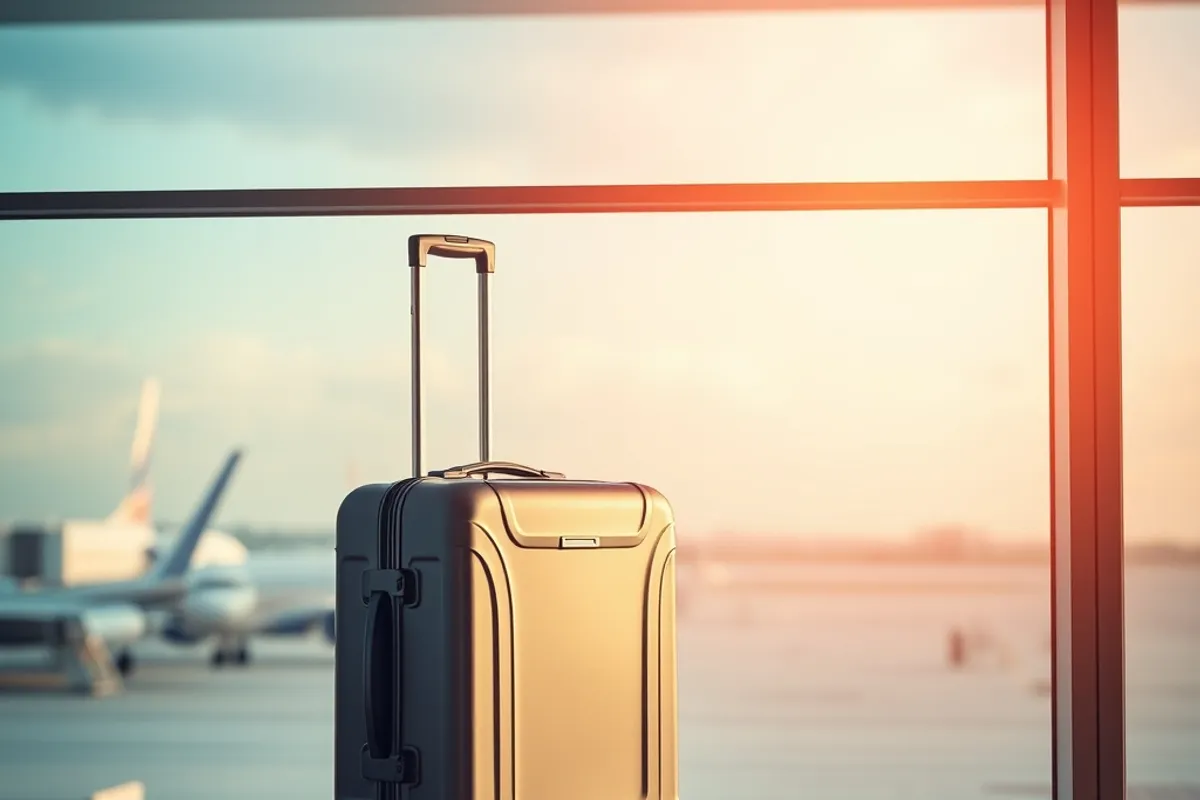
A carry-on is the one piece of gear you use on every single trip. Get it right and you skip baggage queues, missed connections and lost-luggage forms forever. We rolled nine bags through a year of real travel — airports, cobbled lanes, packed trains and one memorable potholed road — to find the ones worth buying.
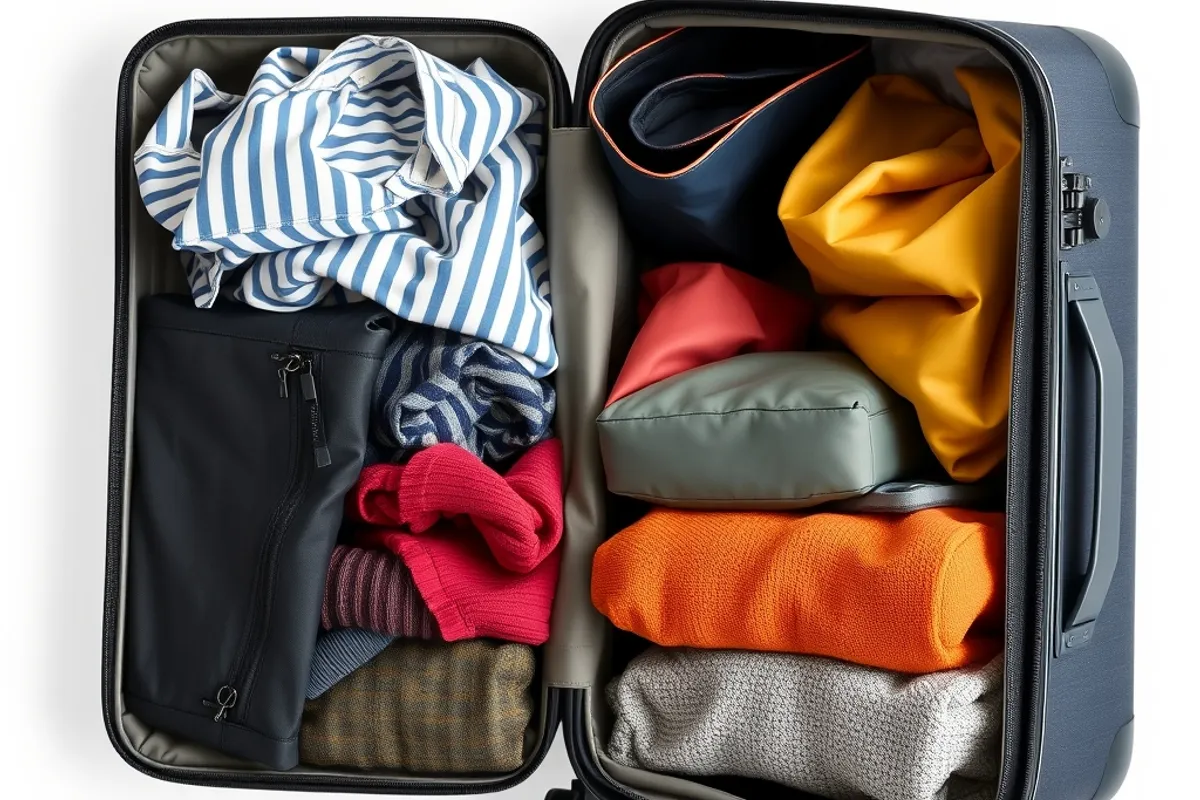
What we looked for
We scored each bag on size compliance, materials, wheels, the telescopic handle, and how well it packed for a week. Size matters most: 55 x 40 x 20 cm fits most major airlines, while anything larger risks a gate check. We also weighed every bag empty, because two kilos of shell is two kilos of clothes you cannot pack.
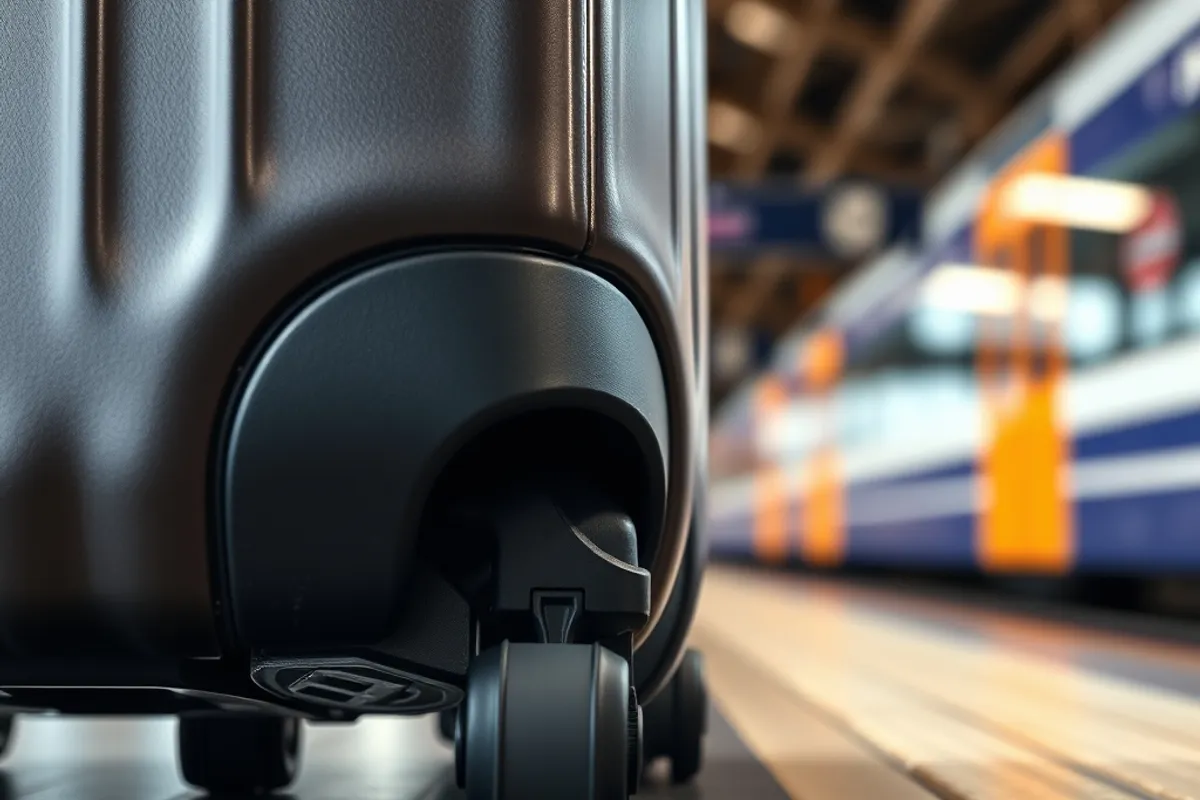
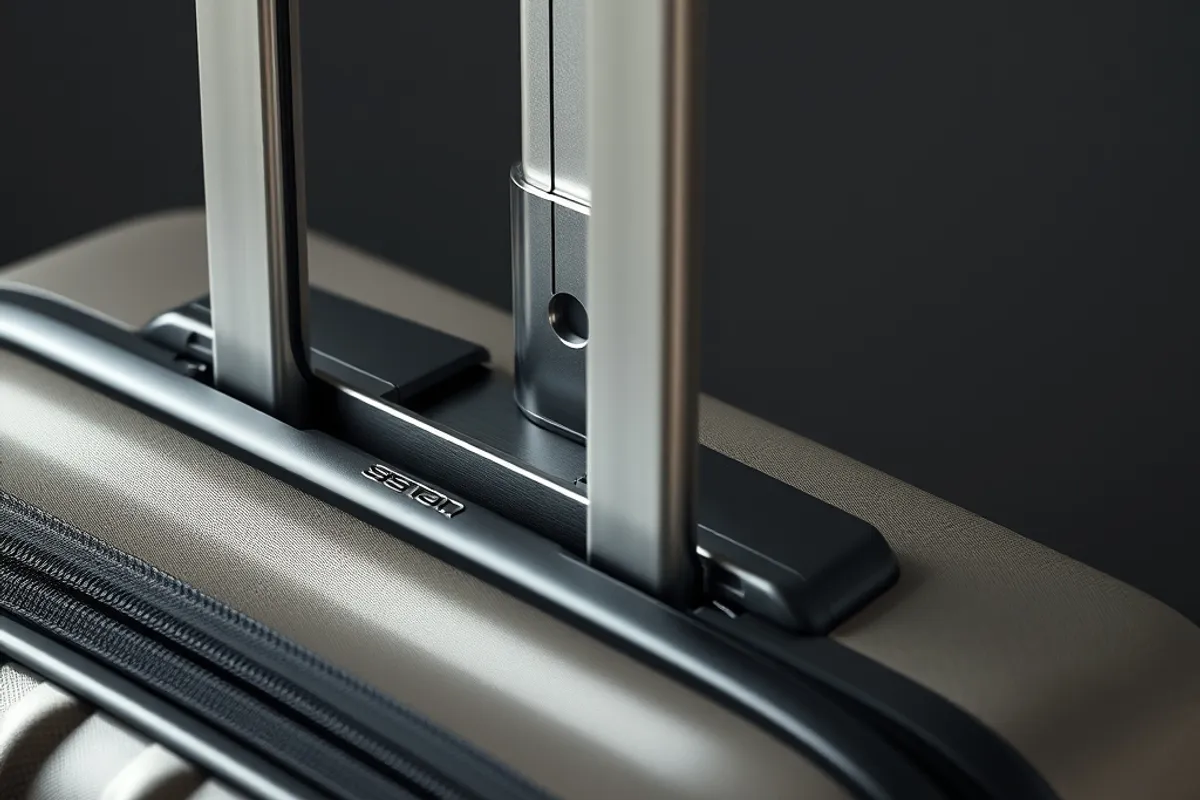
The wheel and the handle are where budget bags fail. Spinner wheels roll beautifully on smooth floors but can snag on cobbles; two-wheel bags handle rough ground and steep kerbs better. The telescopic handle is the single most common failure point, so we tested it extended and loaded, repeatedly.
An empty suitcase is a promise you make to your back. The lighter the shell, the more of your trip you actually get to pack.
How we tested the nine bags
Each bag travelled at least three real trips, usually packed to the airline limit. We dragged them over cobblestones, up and down train stairs, and through at least one long airport dash. We emptied and repacked each one, checked the zips under strain, and noted how the interior held up to a week of clothes, shoes and a laptop.
Two bags disappointed: a hard shell that cracked at a corner and a cheap spinner whose handle wobbled from day one. The seven survivors earned their place, and the best combined a light shell, a strong handle and genuinely useful pockets.
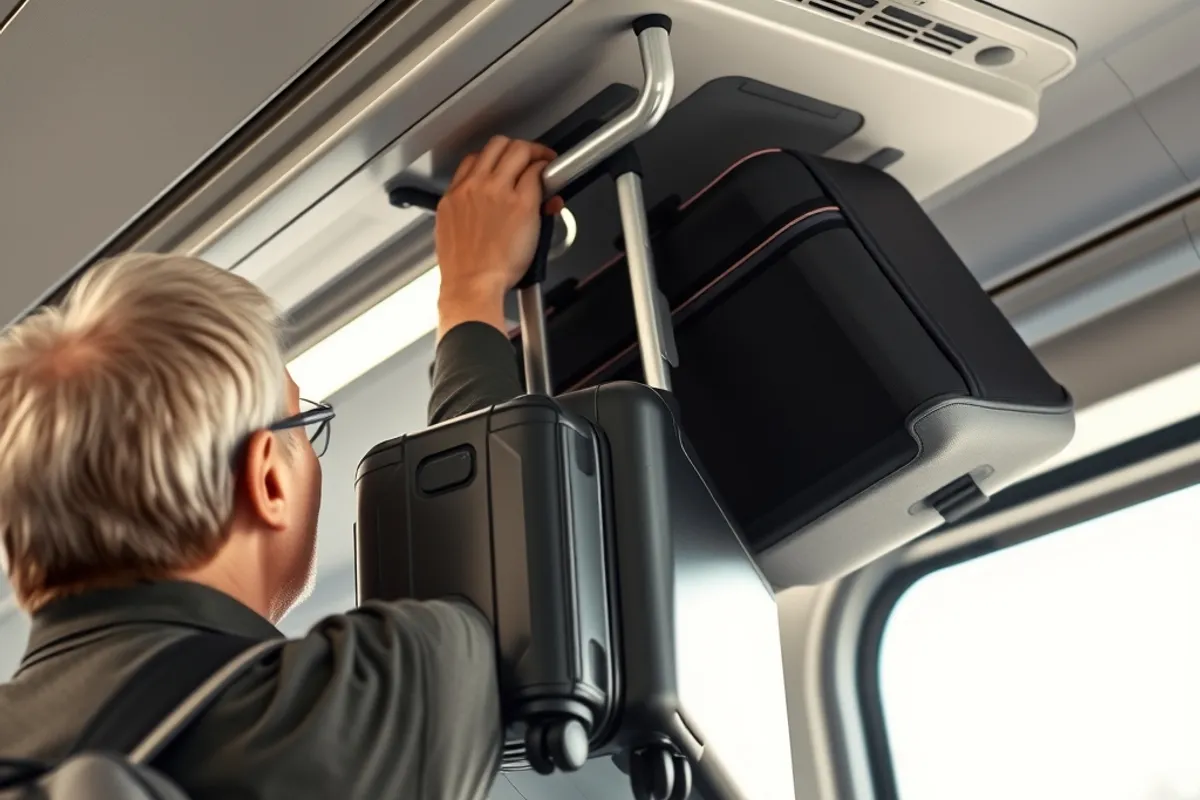
The nine bags and where each wins
Our overall pick was a 40-litre soft bag with a lifetime warranty at about $180, light enough to pack a week but tough enough to survive a baggage hold if forced. The best hard shell was a polycarbonate spinner that shrugged off drops, and the best budget option was a two-wheel bag that simply refused to break.
To pack these well, pair a bag with the items in our travel gear essentials list, and plan the trip itself with our best destinations of 2026 guide.
What to pay
We tested bags from $60 to $420 and found the sweet spot between $150 and $220. Above that you are paying for brand and materials that rarely matter in real use; below it you gamble on the handle and wheels. A good warranty is worth more than a premium shell, because it is the parts that break first, not the body.
Buy for the trips you take, not the ones you imagine. If you mostly fly, a spinner is a joy. If you travel by train and rough roads, a two-wheel bag will outlast it. And always check the bag against your most restrictive airline’s size before you buy.
Mistakes to avoid
Do not buy the biggest bag that technically fits; pack it full and it will not. Do not assume four wheels are always better. And do not ignore the interior — a bag with compression straps and a flat base packs twice as well as one with a single open cavity, for the same external size.
Also weigh the bag empty before you decide. A bag two kilos lighter lets you carry two kilos more, and that is often the difference between one bag and two. A neutral look at how cabin baggage rules vary is on Wikipedia’s baggage article.
Short trips versus long trips
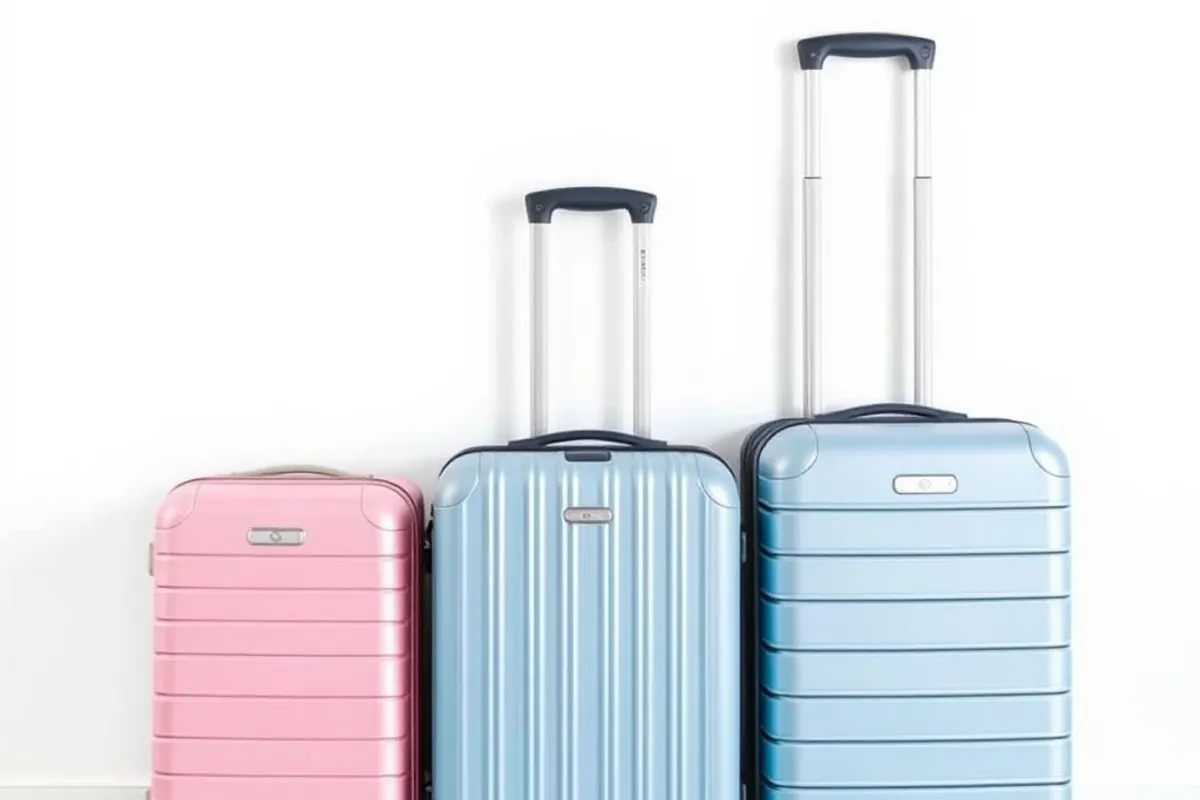
For a weekend, a 30-litre soft bag is ideal and slides under almost any seat. For a week, 40 litres is the practical maximum for carry-on; pack for five days and do laundry. For anything longer, resist the urge to upsize — instead, learn to pack less and travel lighter, which is the whole point of carry-on.
Whichever size you choose, pack it once at home with everything you plan to bring, then walk a kilometre with it. That single test tells you more than any specification sheet ever will.
Our verdict
The best carry-on is light, compliant, and tough where it counts: the handle and the wheels. Spend between $150 and $220, choose soft or hard by how you travel, and test the handle under load before you buy. Do that and you will likely never check a bag again.