Travel Gear
Travel Gear Essentials: 10 Items That Earn Their Space
Travel gear after a year of packing and repacking: ten small items earned a permanent place in our bag. Each solves a real problem on the road, nothing more.
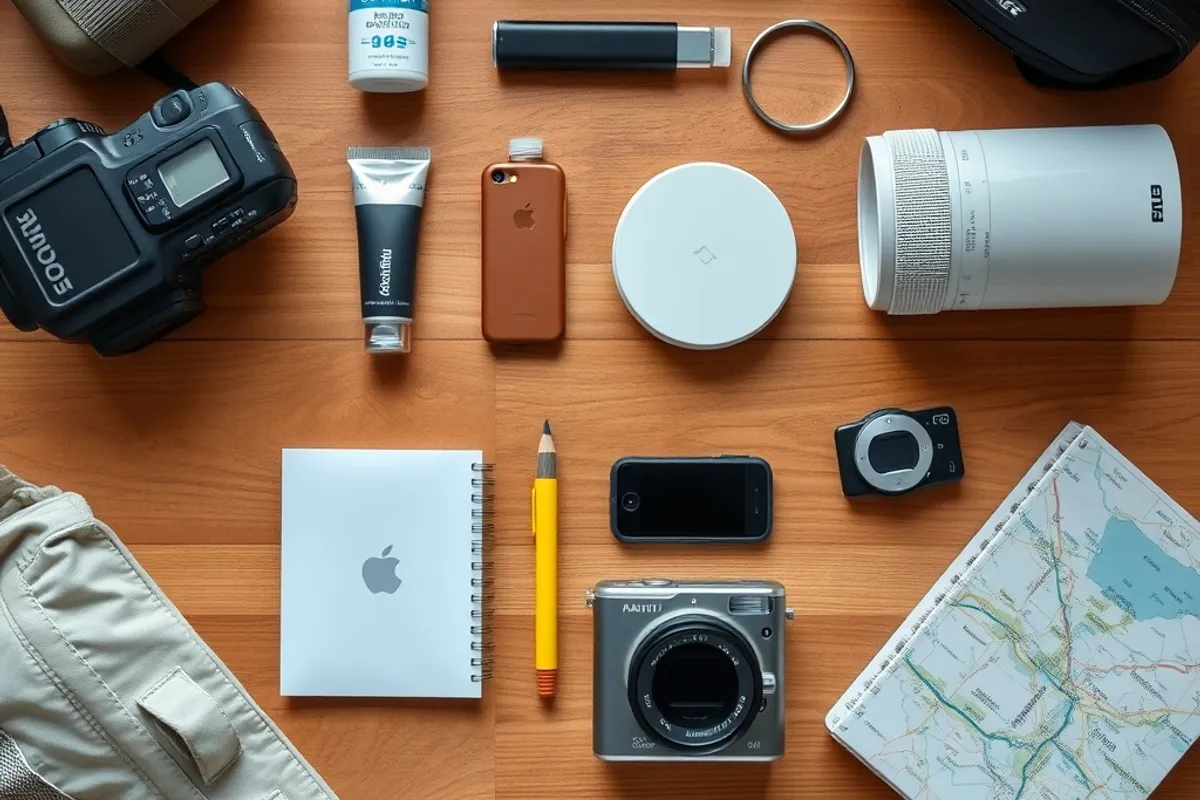
Most packing lists are a warehouse in a bag. We spent a year tracking what we actually used on the road, item by item, and the answer was ten things. Everything else stayed at the bottom of the bag, unused, until we finally left it at home and never missed it.
How we chose the ten
Every item had to solve a problem that came up on at least half of our trips, take up little space, and survive being dropped, squeezed and rained on. We weighed each one and counted how often we reached for it. Anything we used once in a year was out.
The winners are unglamorous. A power bank, an adapter, a packable layer, a small repair kit. None are exciting to buy, all are quietly essential, and together they weigh less than a single pair of jeans.
The best travel gear is invisible. You notice it only in the moment you would have been stuck without it.
The ten essentials
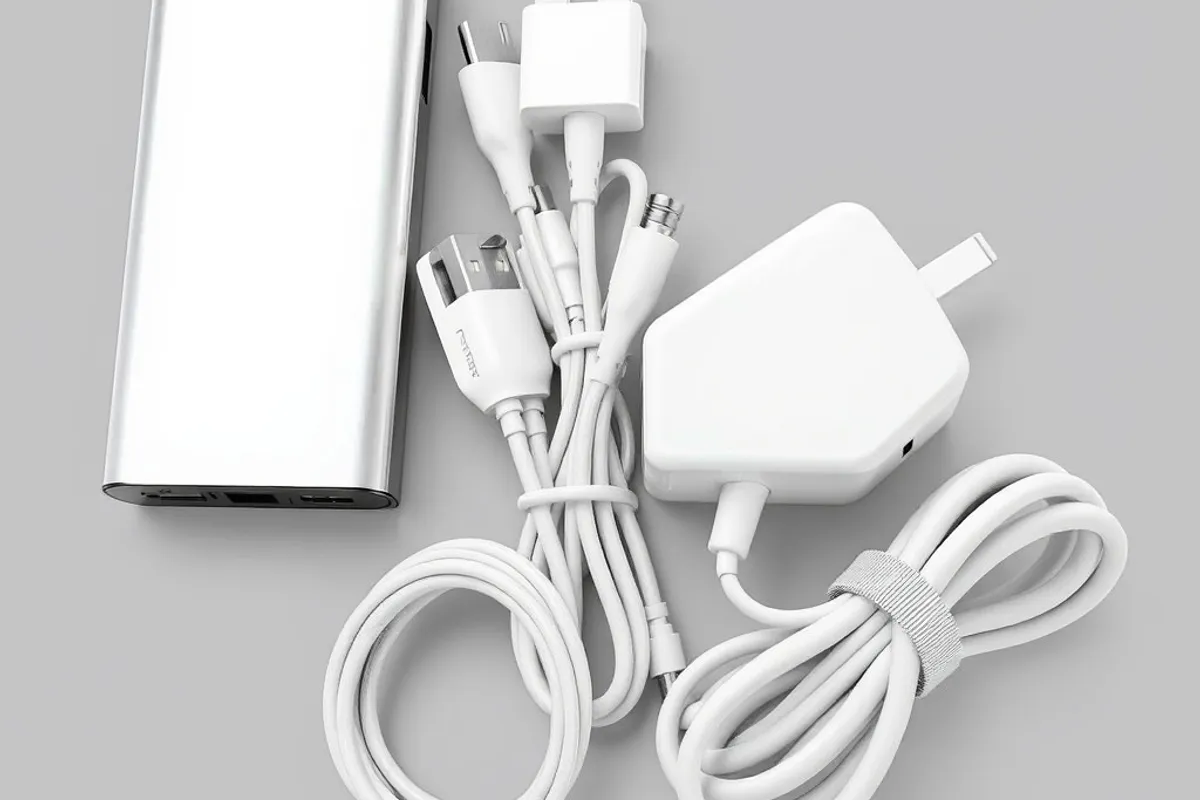
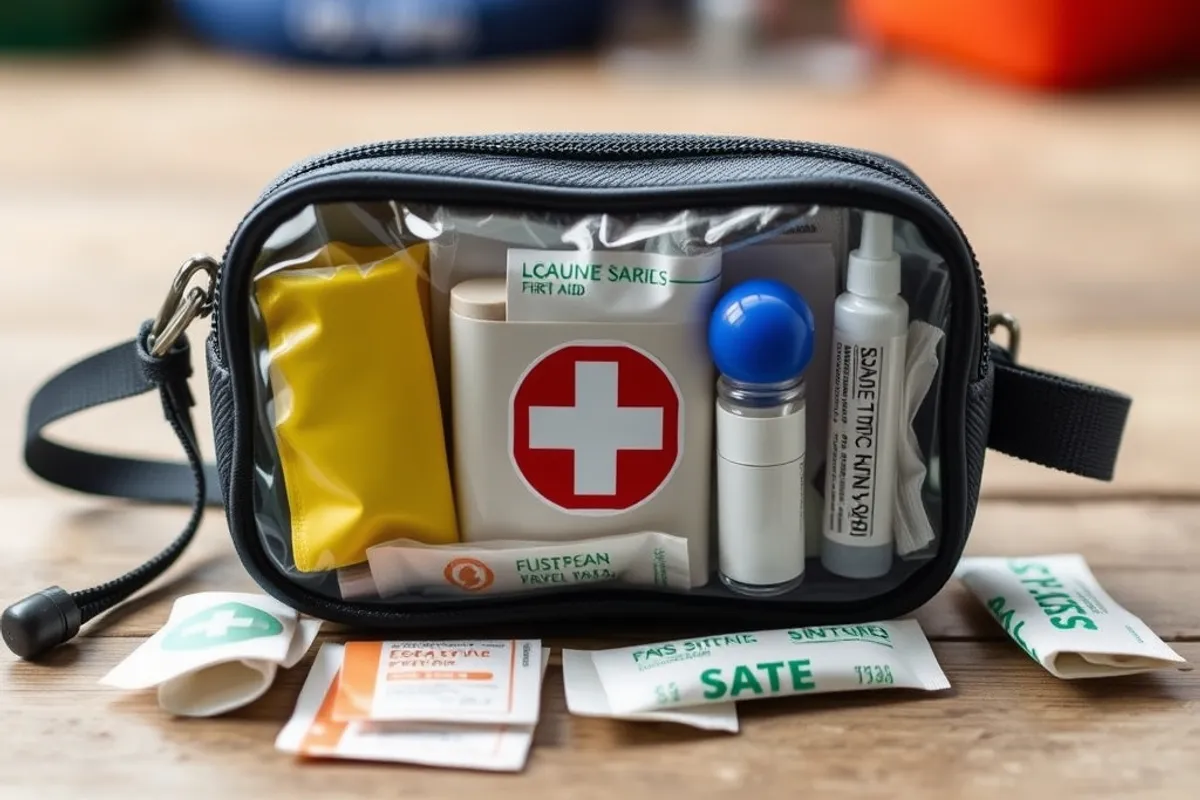
A 20,000 mAh power bank was our most-used item, charging a phone three times over. A flat universal adapter, a compact rain shell, a folding day bag and a tiny repair kit rounded out the top five. Then came a set of packing cubes, a refillable water bottle, a headlamp, a basic first-aid pouch and a slim cable organiser.
To carry them well, pair this list with the bag we recommend in our best carry-on luggage guide, and plan where they will go with our best destinations of 2026 article.
What each earns its place
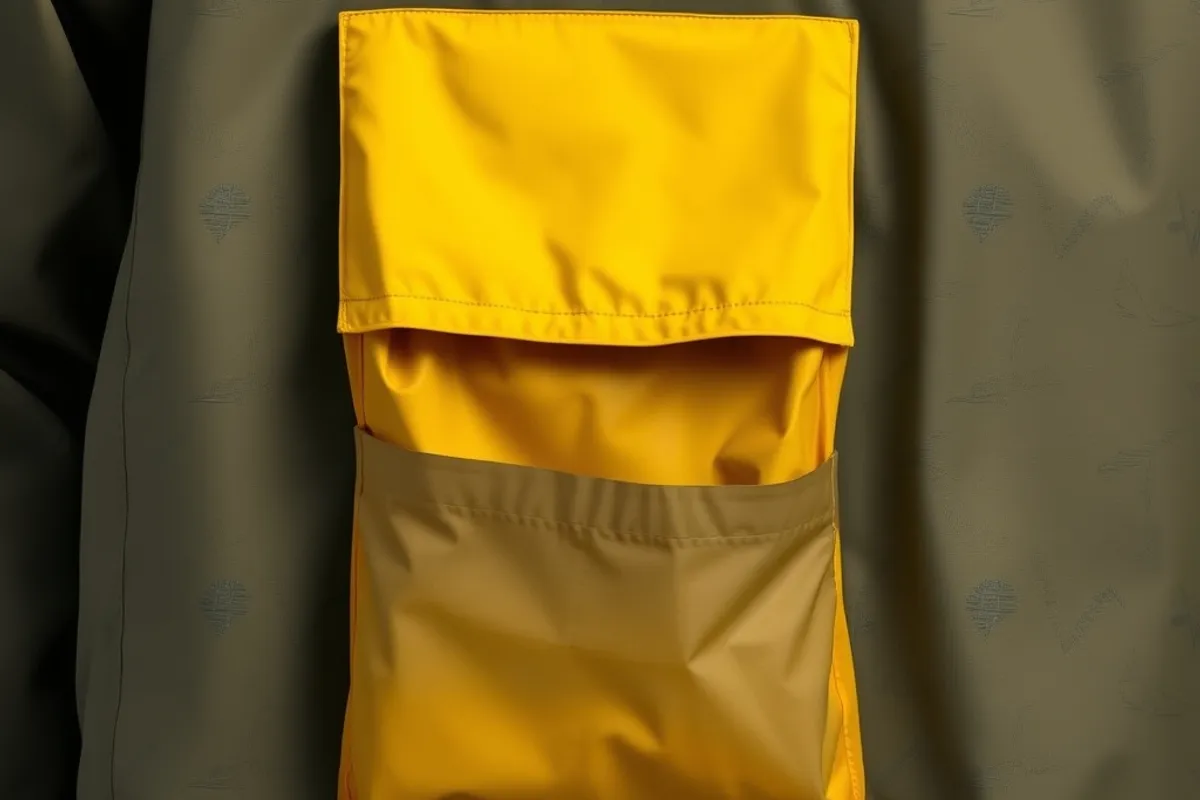
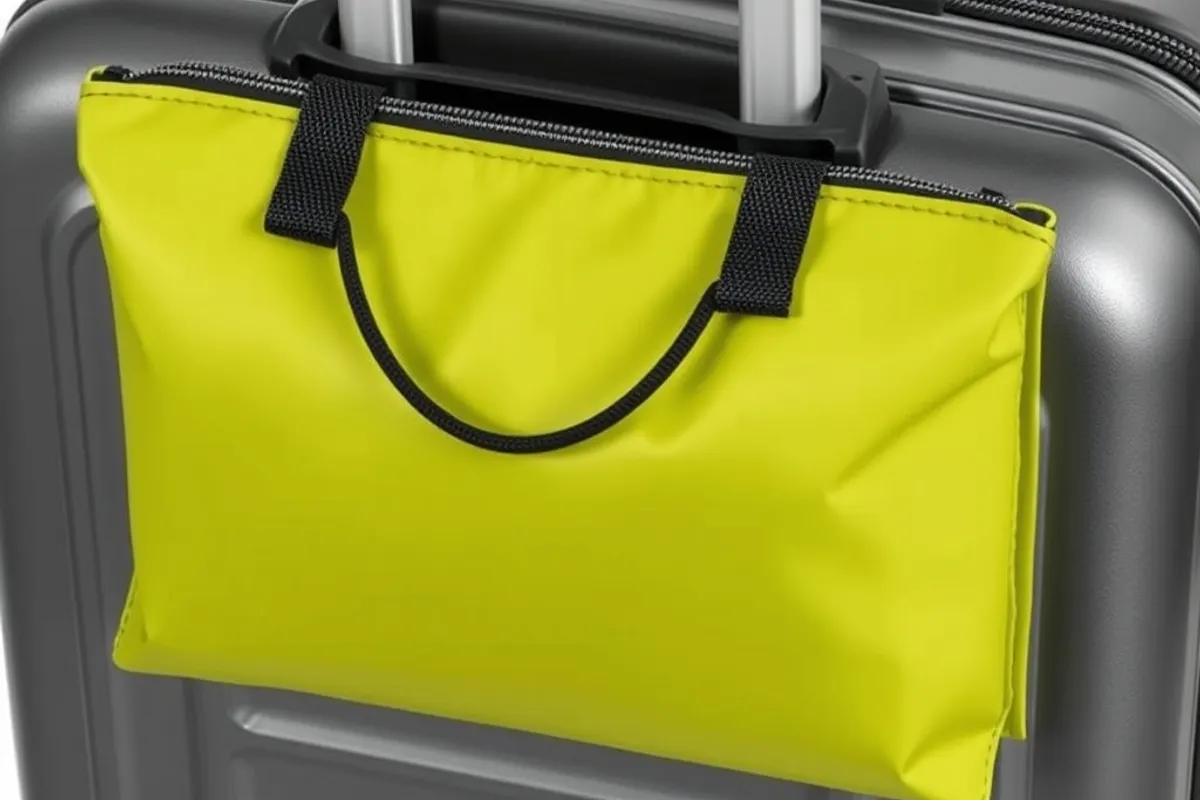
The power bank is obvious. The adapter is the underrated one: a flat universal model fits sockets everywhere and replaces a drawer of plugs. The rain shell packs to fist size and has saved more than one soaked afternoon. The folding day bag turns a carry-on into a two-bag travel system on arrival.
The repair kit — a few zip ties, a needle, safety pins and a length of cord — weighs almost nothing and has fixed luggage, glasses and a broken strap. The headlamp is for hostels and power cuts, and the cable organiser stops the daily tangle that costs you five minutes and a frayed cable.
What to pay
Most of these cost between $10 and $45, and total weight stayed under 800 grams. You do not need premium versions. Buy a reliable power bank from a known brand, a solid adapter, and cheap versions of everything else. The expensive upgrade almost never improves the experience.
Check the small print on electronics: power banks go in hand luggage, never checked, and batteries have watt-hour limits. A neutral primer on carrying batteries safely is on the Wikipedia power-bank article.
Mistakes to avoid
Do not pack for every possible disaster. We dropped twenty-one other “essentials”, from travel irons to a second camera, all of which stayed unused. Do not buy the heaviest or most featured version of anything; weight is the real enemy. And do not pack electronics you cannot replace cheaply if lost.
Finally, pack the bag, then walk with it fully loaded before you leave. If you can carry it comfortably for a kilometre, it is ready. If not, the problem is rarely the bag — it is one of the ten that needs a lighter version.
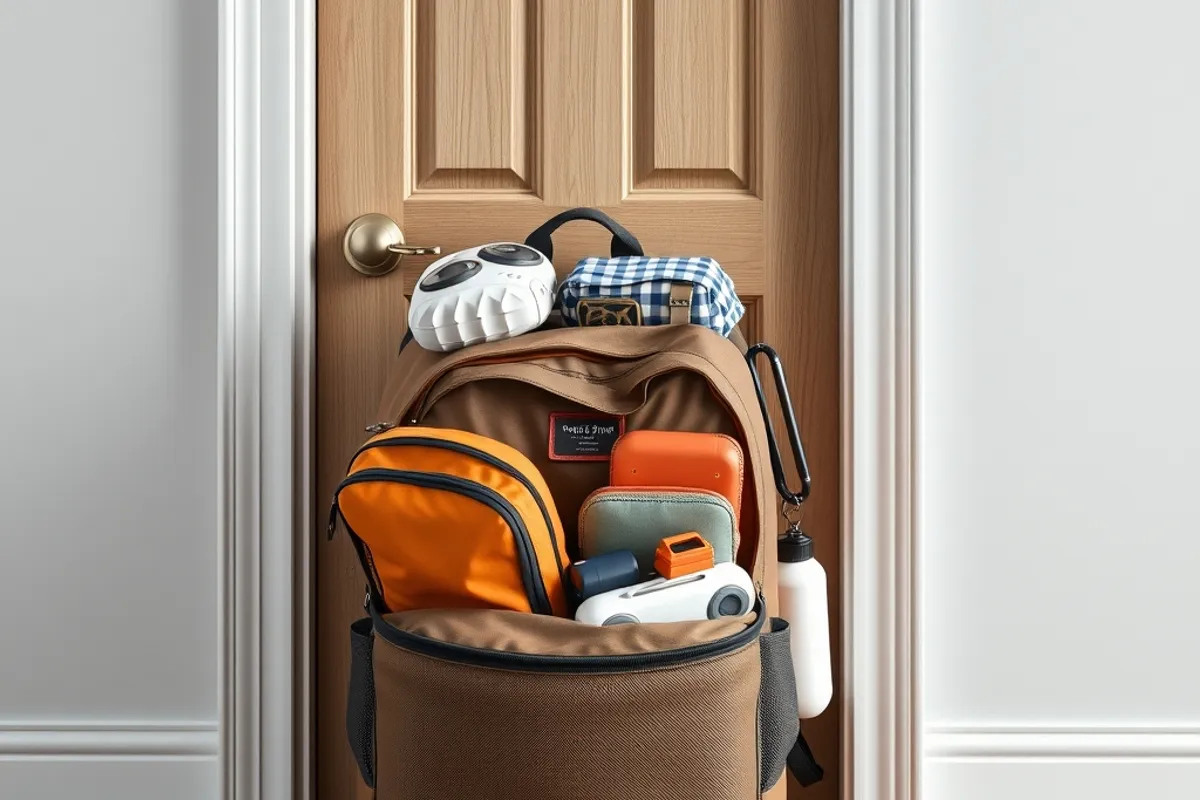
Packing it all together
Use packing cubes to separate clothes by type, keep electronics in one roll, and put the rain shell at the top where you can grab it. The day bag folds flat when empty and expands when you need it. Everything fits in a single 30-litre bag with a week of clothes and room to spare.
Weigh the finished bag. If it is under seven kilos, you are travelling light enough to move fast, take stairs and never worry about a gate check. That freedom is the whole point of owning less gear.
Our verdict
Ten small items, under a kilo, and every one earns its space trip after trip. Buy the simple version, pack it in the lightest bag you can, and test the load on your feet before you leave. Travel gets easier the less you carry.