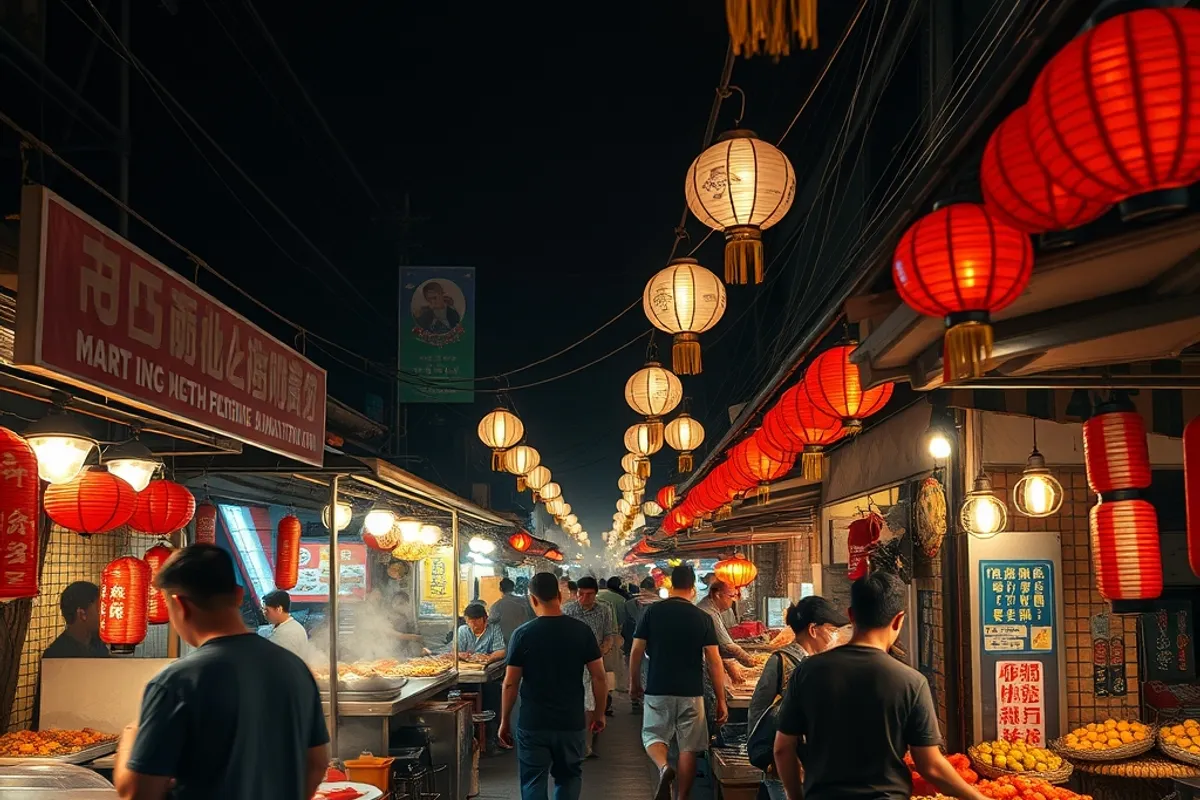
Food & Culture
Best Street Food Cities: 10 Places for Local Flavor
From night markets to roadside grills, we ate our way through ten cities to find the street food that is worth the queue, and what a full meal really costs.
The fastest way to understand a place is to eat where locals eat and to visit the museum that tells its story through ordinary objects. Food and culture are not side attractions; they are the main event of a good trip.
Our guides cover street food, markets and museums with the same standard we apply to hotels: we go, we pay, we taste, and we tell you what was worth it. No press trips, no comped meals.
In each city we eat street food for at least three days, twice a day, at different times to catch both the lunch and evening trade. We log what we paid and how we felt the next morning, which is the honest test of any stall.
For museums and markets, we visit on a normal day rather than at a special event, pay our own entry, and time how long the experience genuinely holds attention. Three of our favourite stops were free, which says something about value.
The best street food does one thing perfectly. It is made in front of you, eaten standing up, and priced for locals. The best markets are at their best before 10am, when the city shops. The best museums reward two or three hours, not a rushed hour between other stops.
Pair a market in the morning with a museum after lunch. One shows what a place is like now; the other shows how it got here. Together they turn a tourist morning into something closer to understanding.
A filling street meal cost us an average of $4.20 across ten cities. Museum entry averaged $11, with free hours in most places. Cash still rules at market stalls, so carry small notes and coins.
Go at the busiest hour, eat where the queue is local, and be a good guest: ask before photographing people, do not haggle over a one-dollar plate, and buy something small from the vendors who help you.
Street food is safer than its reputation when you choose well. High turnover, fresh cooking and a queue of locals are better signals than polished furniture. Carry small notes, drink bottled or filtered water, and trust your nose over any online list.
The basics of food safety, including why temperature and turnover matter, are explained neutrally in the Wikipedia article on food safety. Read it once and you can judge a stall in seconds.
From night markets to roadside grills, we ate our way through ten cities to find the street food that is worth the queue, and what a full meal really costs.
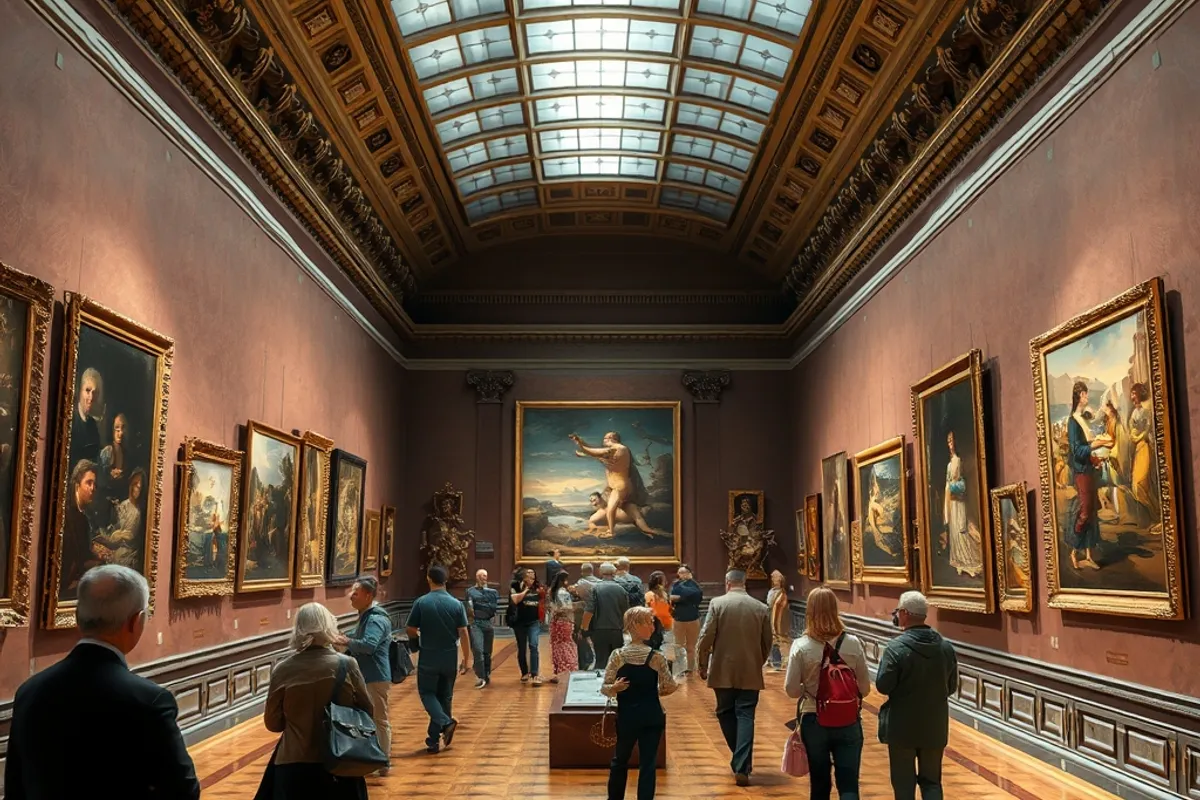
Big museums and local markets are where a city tells its own story. We picked seven cultural stops that reward a morning, and how to plan a day around them.