Food & Culture
Museum and Market Guide: 7 Cultural Stops Worth Your Time
Big museums and local markets are where a city tells its own story. We picked seven cultural stops that reward a morning, and how to plan a day around them.
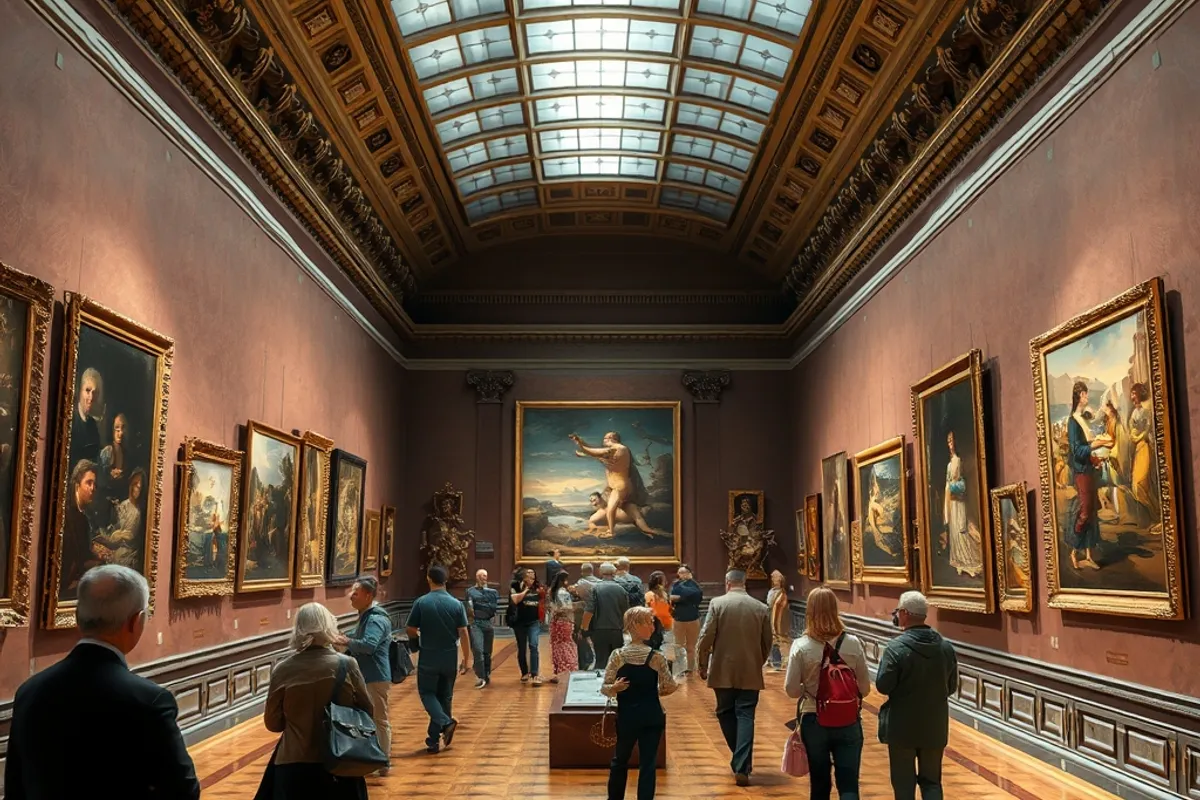
A city reveals itself in two places: its museums and its markets. One shows what it values and remembers; the other shows what it eats and sells on an ordinary Tuesday. We chose seven cultural stops that reward a slow morning, and worked out the best way to combine them into a day.
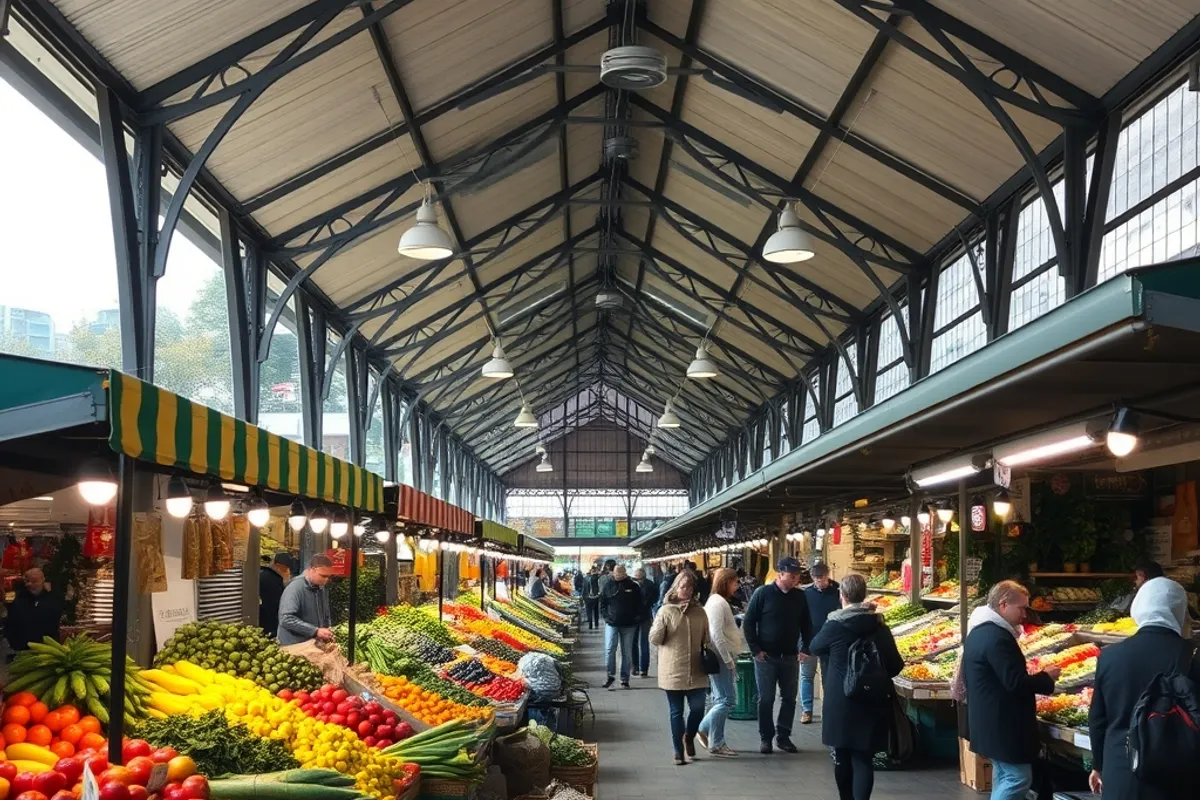
Why pair a museum with a market
Markets and museums answer different questions. The market tells you what a place is like now — who sells, who buys, what a fair price is. The museum tells you how it got here. Together they turn a tourist morning into something closer to understanding.
The practical bonus is timing. Markets are at their best in the morning, when locals shop and produce is fresh. Museums are at their best after lunch, when the morning tour groups have left and the galleries quieten down.
Read the labels in the museum, but read the price signs in the market. One is curated; the other is the truth.
How we tested the stops
We visited each stop on a normal day rather than a special event, paid our own entry, and timed how long the visit genuinely held our attention. We noted the cost, the crowd level, and whether the experience justified both. Three of the seven were free, and those three were among the best.
We looked for stops that welcome a curious newcomer without a guide: clear signage, room to stand, and something to taste or touch. A museum that only impresses experts, or a market that only serves restaurants, did not make the cut.
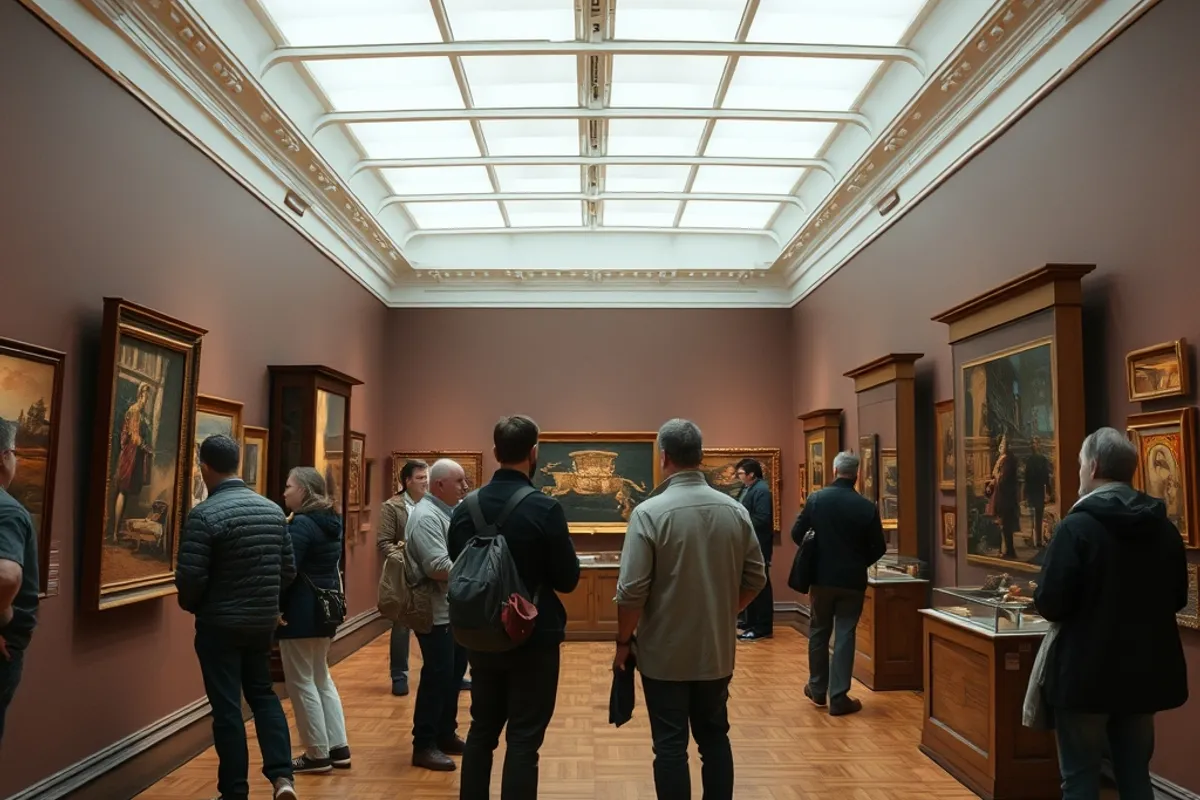
The seven stops worth a morning
Our favourites were a city history museum that told its story through ordinary objects, and a covered food market where the same families have traded for generations. Between them they gave a fuller picture of a place than any headline attraction. The others ranged from an art gallery to a crafts market, each with a clear reason to visit.
To build a trip around these stops, our best destinations of 2026 guide maps the cities, and the best street food cities article extends the market visit into a full day of eating.
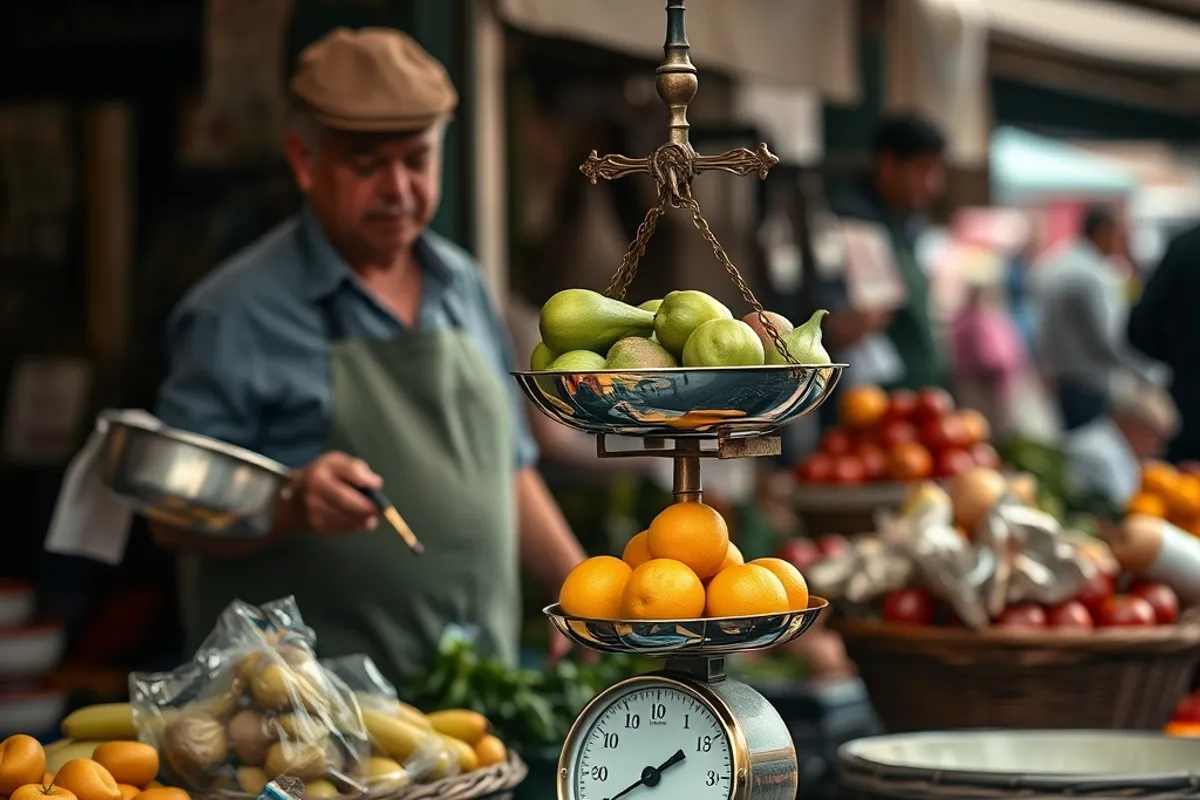
What to pay and how to save
We averaged $11 per stop, with free entry at three. Most cities offer free museum hours — often the first Sunday of the month or a late-opening weekday — and markets are free to wander. Buy a combined city pass only if it matches your list; otherwise pay as you go and keep the day flexible.
Go early to markets and late to museums. Bring cash for small market stalls and a card for museum tickets. And check opening days, as many museums close on Mondays and markets on Sundays — a mistake that has emptied many well-planned mornings.
Planning a cultural day
Start at the market around 9am, buy breakfast from a stall and watch the city wake up. Wander, taste, ask questions. Break for lunch at a stall rather than a restaurant, then spend the afternoon in a museum when the light and the crowds are both gentler. Finish with a walk through the old quarter.
Do not over-schedule. Two stops in a day is plenty; three is a rush. Leave space to sit, to revisit a stall, and to follow a recommendation from a vendor who knows the neighbourhood better than any list, including this one. A neutral overview of the museum tradition is on Wikipedia’s museum article.
Mistakes to avoid
Do not treat the museum as a checklist; you will remember three objects, not thirty. Do not visit a market at closing time when the best stalls have packed up. And do not buy the first souvenir you see — walk the whole market once, and the prices and quality both improve.
Finally, be a good guest: ask before photographing stalls and people, do not block the aisle, and buy something small from the vendors who help you. Curiosity should leave a place better, not just better documented.
Our verdict
A museum and a market together tell a city’s whole story, past and present, for the price of a coffee and a ticket. Go early to the market, slow down in the museum, and let one good conversation with a vendor shape the rest of your trip.