Food & Culture
Best Street Food Cities: 10 Places for Local Flavor
From night markets to roadside grills, we ate our way through ten cities to find the street food that is worth the queue, and what a full meal really costs.
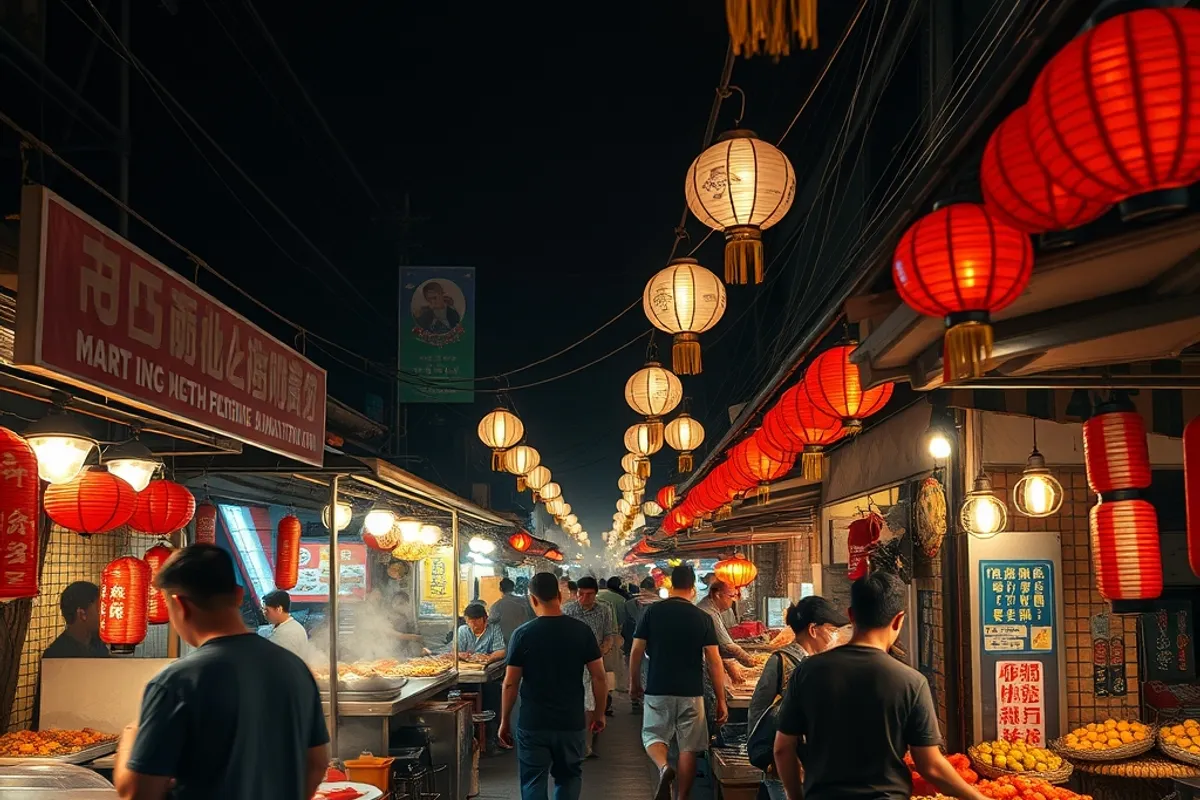
Street food is the fastest way to understand a city. It is cheap, it is honest, and the best stalls have been refining one dish for decades. We spent a year eating our way through ten cities to find the plates that are worth the trip and the stand, not the scenery.
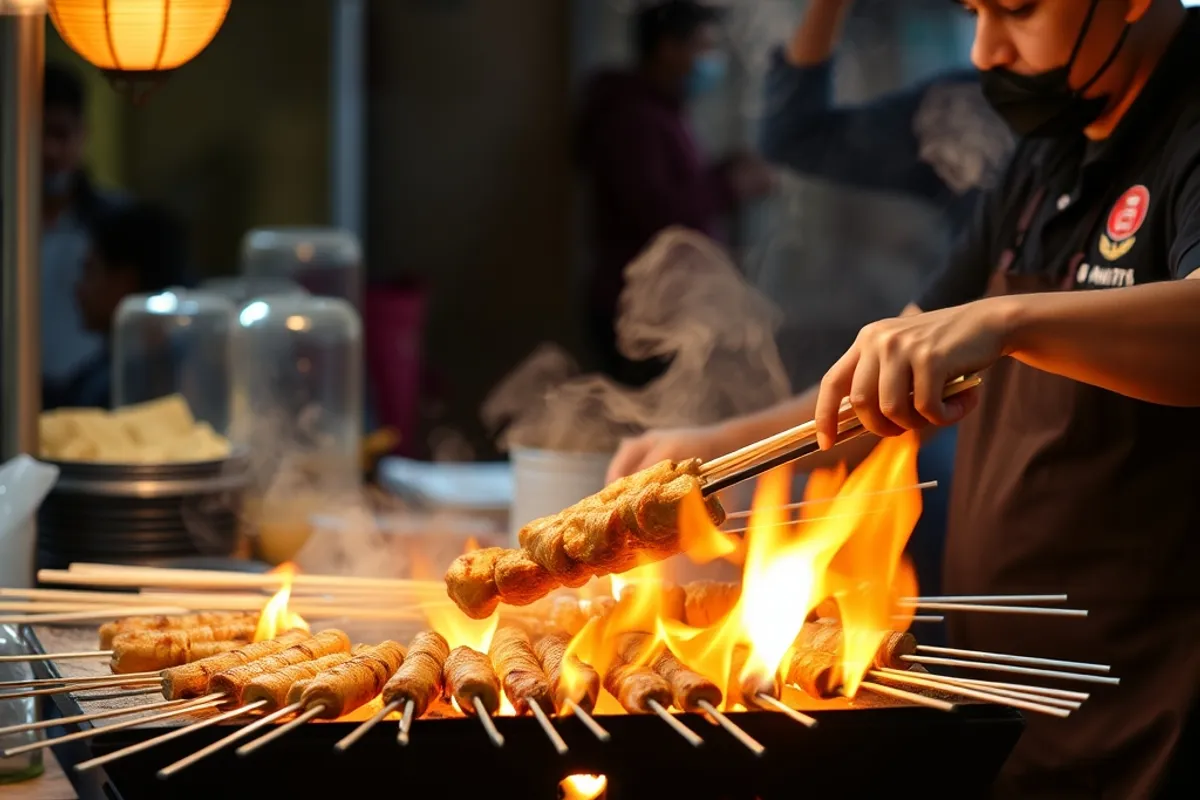
What makes street food great
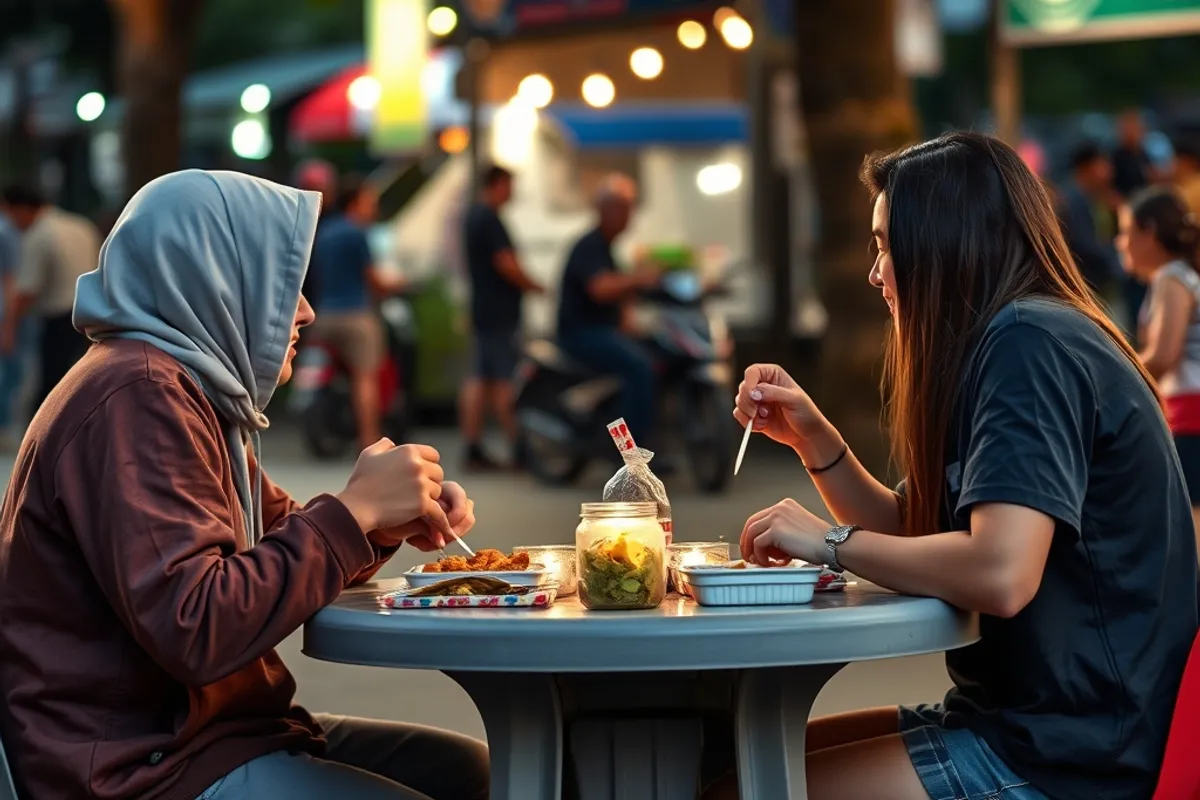
The best street food does one thing perfectly. It is made in front of you, eaten standing up, and priced so low that the vendor survives on volume and reputation rather than tourists. When a stall has a menu of forty items, be suspicious; when it has two, be excited.
We judged each city on variety, price, hygiene and how easy it is to eat without speaking the language. A great street-food city lets a visitor point, smile and end up with something delicious, and it does so at breakfast, lunch and midnight.
Follow the locals at lunch, not the guidebook at dinner. The best stall is the one with no English menu and a queue of regulars.
How we tested the cities
In each city we ate street food for at least three days, twice a day, at different times to catch both the lunch and evening trade. We logged what we paid and how we felt the next morning — the honest test of any stall. We avoided anywhere with a tourist-menu board and prioritised places full of office workers and families.
Ten cities made the cut. A few famous food cities missed out because their street trade has been pushed indoors or priced for visitors. The winners still feel like a working city first and a destination second.
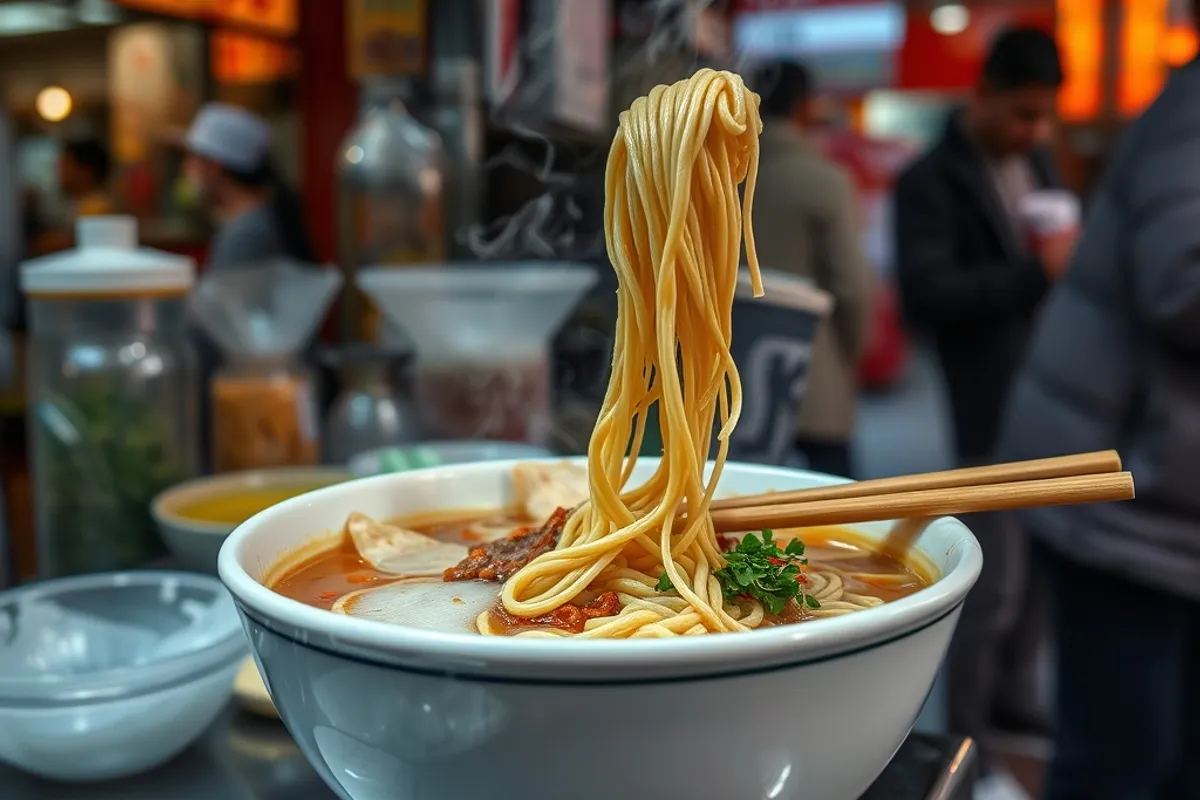
The ten cities and their signature plates
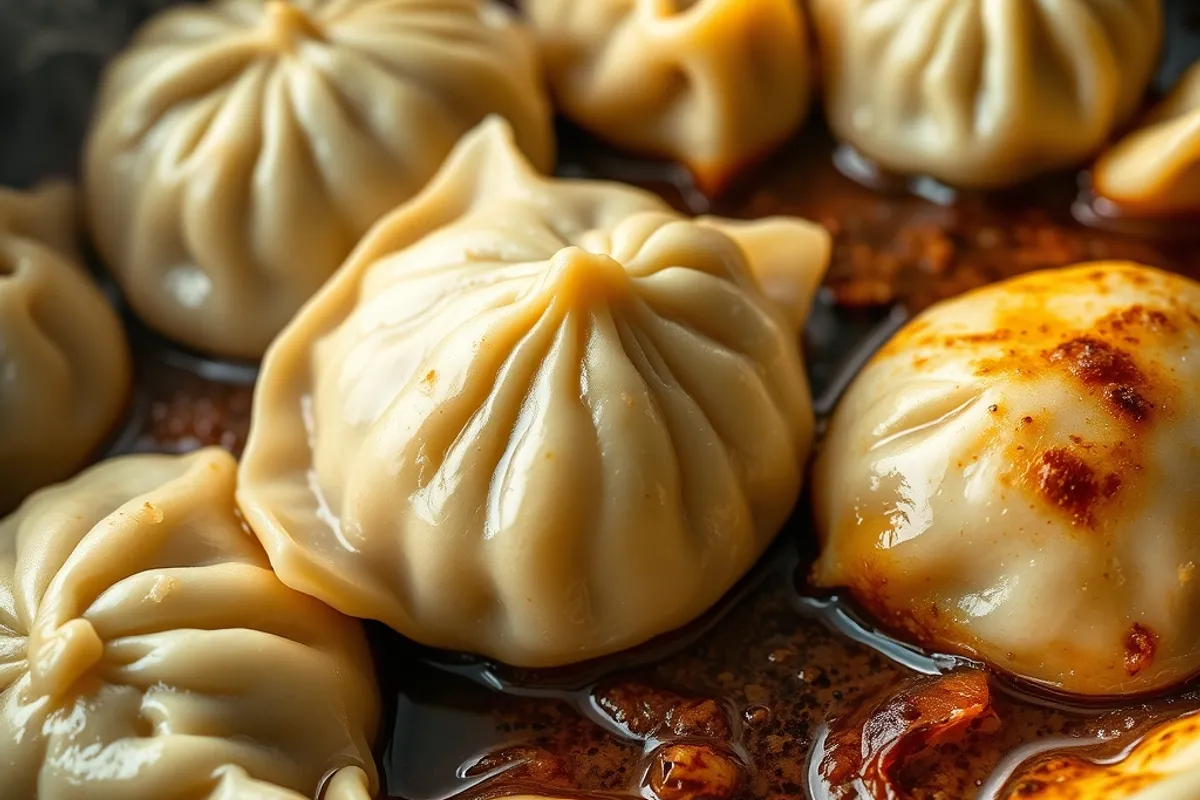
Mexico City and Hanoi topped our list. Mexico City offers tacos, tamales and tortas across every neighbourhood, while Hanoi’s pho, bún chả and banh mi pack extraordinary flavour into a few dollars. Bangkok, Istanbul and Taipei followed, each with a dish we would fly back for.
If you are building a trip around food, our guides to the best destinations of 2026 and underrated coastal towns show how to pair these cities with quieter stops where the eating is just as good.
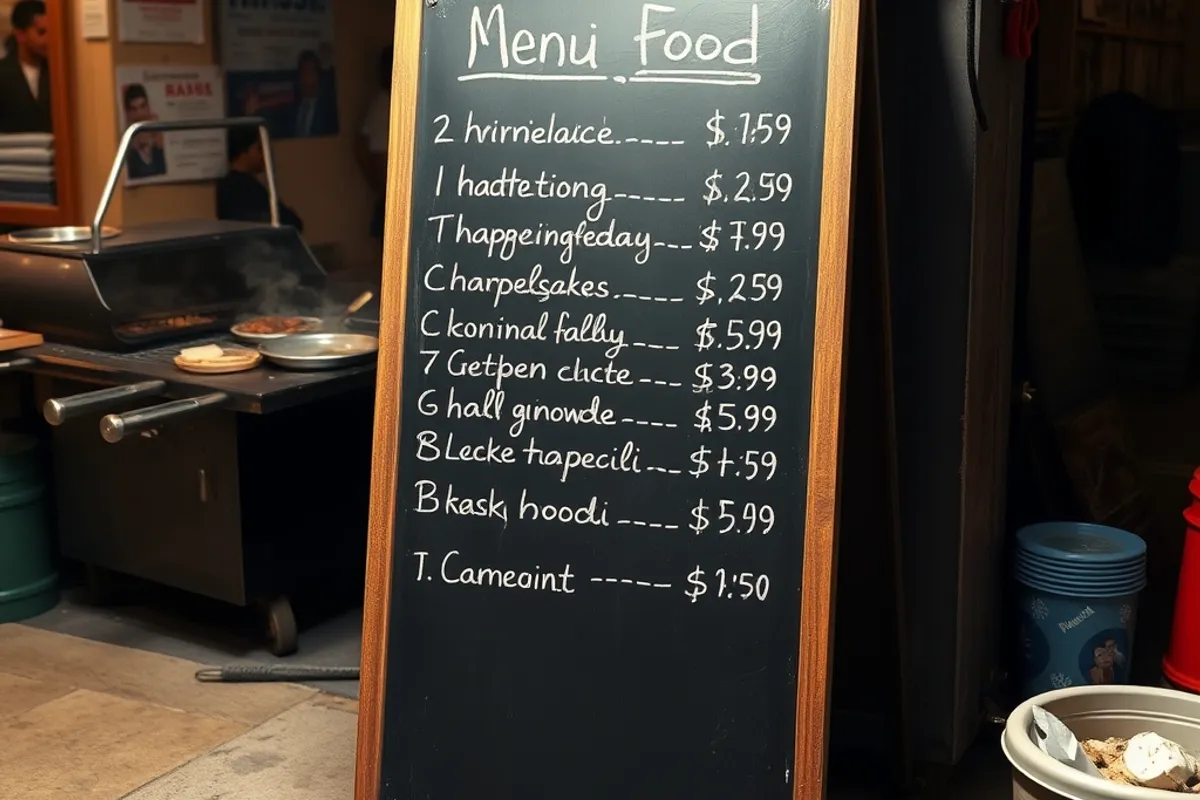
What to pay and how to eat safely
A filling street meal cost us an average of $4.20 across the ten cities, from less than a dollar for a snack to about $8 for a feast. Cash is still king at most stalls, so carry small notes and coins. The safest stalls have high turnover, so pick the busy ones and eat where food is cooked fresh to order.
Drink bottled or filtered water, be cautious with raw salads in hot climates, and trust your nose: a stall that smells clean and fresh usually is. Food-safety basics are covered neutrally in the Wikipedia article on food safety.
Best times and etiquette
Go at 6pm to 9pm when the evening stalls hit full swing and ingredients are freshest, but also try breakfast, when many cities serve their best food to workers. Learn two words of the local language, be patient in the queue, and clean up after yourself; vendors remember polite customers.
Do not photograph people without asking, and do not haggle over a one-dollar plate. Street food thrives on thin margins and good manners, and both come back to you in bigger portions.
Mistakes to avoid
Avoid the single stall surrounded by tour groups and the “best in the world” banner; both are marketing, not merit. Do not eat at 3pm when the same oil has been frying since morning, and do not assume a sit-down restaurant is safer — turnover, not furniture, is the real hygiene signal.
Carry a little cash, a small bottle of sanitiser and an open mind. The best meal of your trip is more likely to come from a plastic stool than a white tablecloth.
Our verdict
These ten cities prove that the cheapest meal is often the most memorable. Eat where locals eat, pay in cash, go at the busiest hour, and you will taste a place far more honestly than any menu could show you.