Destinations
Underrated Coastal Towns: 9 Quiet Towns for a Slow Escape
Skip the famous resort strip. These nine coastal towns trade crowds for character, with honest prices, working harbours and long empty beaches all year.
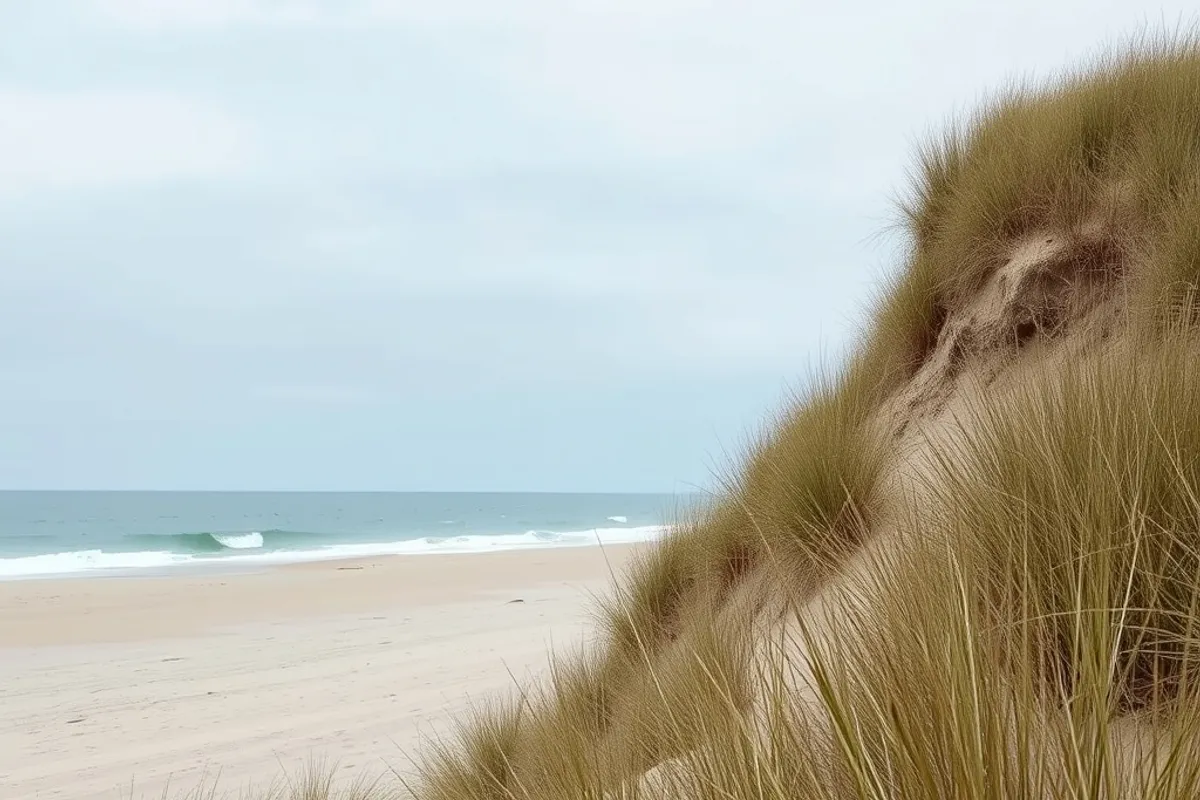
The most beautiful coastal towns are often the ones nobody films. They have a working harbour instead of a promenade, a bakery that opens at six, and a beach where you can walk a kilometre without stepping over a towel. We spent a year seeking them out along the Atlantic and the Adriatic to build this short list.
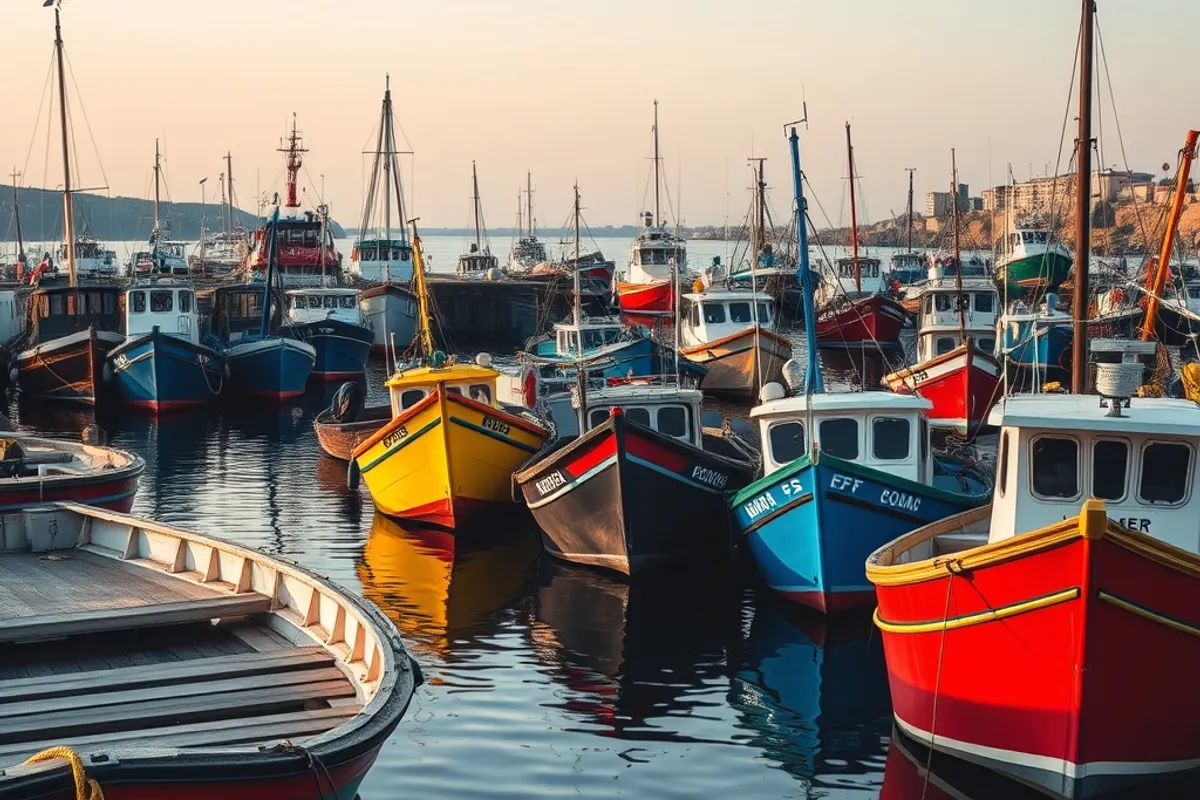
What makes a coastal town worth it
We looked for three things above all: a beach you can reach on foot, a daily market or fishing trade that keeps the place alive off-season, and at least one café where locals outnumber visitors. A town that empties completely in winter usually means no one actually lives there the rest of the year.
The nine winners share a rhythm. Mornings belong to the fishing boats and the coffee bar, afternoons to the beach, evenings to a single restaurant that everyone trusts. That predictability is exactly what makes a quiet escape work.
If a coastal town feels busy in February, it will feel impossible in August.
The nine quiet picks
In Portugal, the Alentejo coast and the Minho border villages deliver dunes, seafood and near-empty sand. Across the water, Galicia’s Rías Baixas hide stone harbours where the town still earns its living from the sea. On the Adriatic, Montenegro’s smaller bay towns beat the famous resort for charm at half the price.
For a longer trip, pair one of these with a bigger city gateway — our guide to the best destinations of 2026 explains how to link them overland, while the budget travel playbook shows how to keep each day cheap.
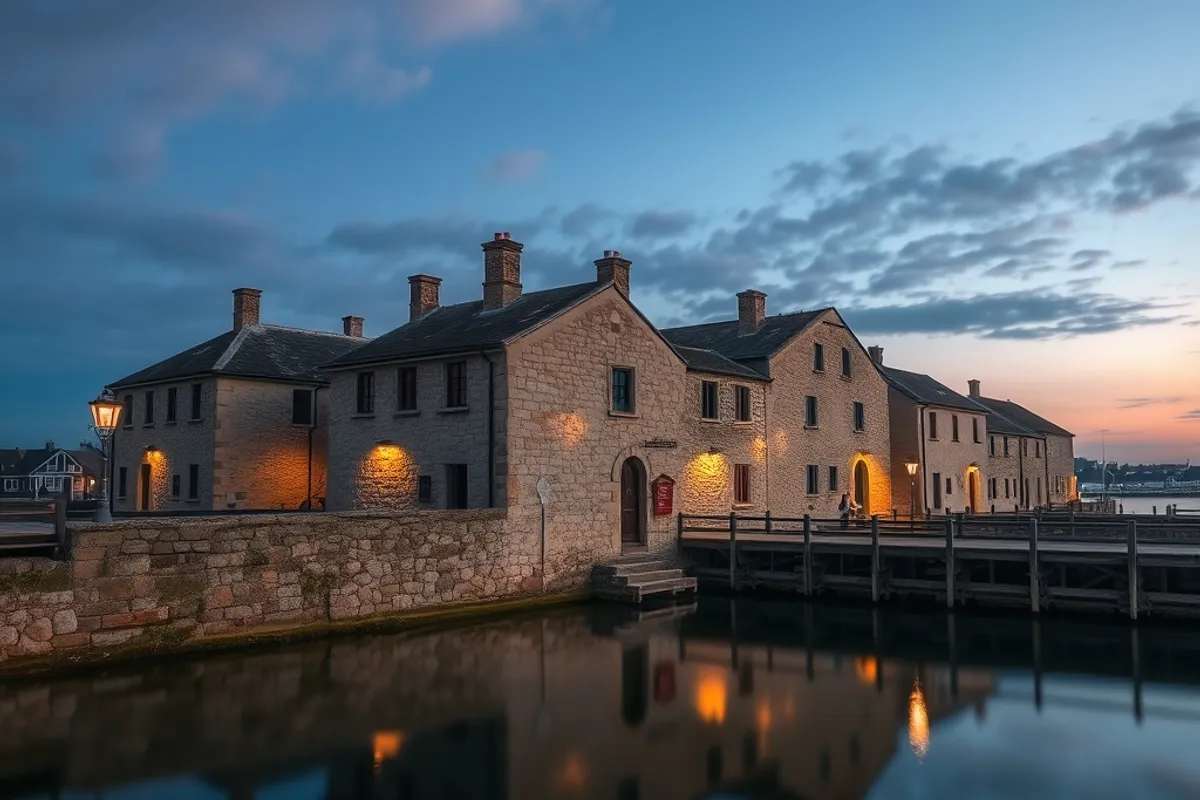
Best for empty beaches
Nothing on this list beats the wild Atlantic for space. The wind keeps the crowds away, and the water stays bracing even in summer, which means the beaches stay yours. Bring a windbreak and a warm layer, and you will understand why the locals swim in October.
If you want warmer water, choose the Adriatic picks and travel in June or September. The shallows warm quickly, and the town squares fill in the evening with families rather than tour groups.

When to go and what to pay
May, June, September and October are the sweet spots: open restaurants, mild weather and rooms that cost half the August rate. We paid an average of $74 a night for a double in the off-season, and rarely more than $120 even in the first week of September.
Flights are cheapest midweek and about two months out. Trains and buses reach eight of the nine towns; only one needs a short taxi from the nearest station. Check schedules in advance, because rural services thin out on Sundays.
Mistakes to avoid
Do not expect big-city nightlife, and do not arrive without checking which day the restaurants close — many take a weekday off. Parking is often tighter than the streets look, so leave the car at the edge of town and walk in.
Most of all, avoid the peak fortnight. The whole appeal is the quiet, and it disappears exactly when everyone else arrives. For background on why small harbours endure, the Wikipedia entry on fishing communities is a useful primer.
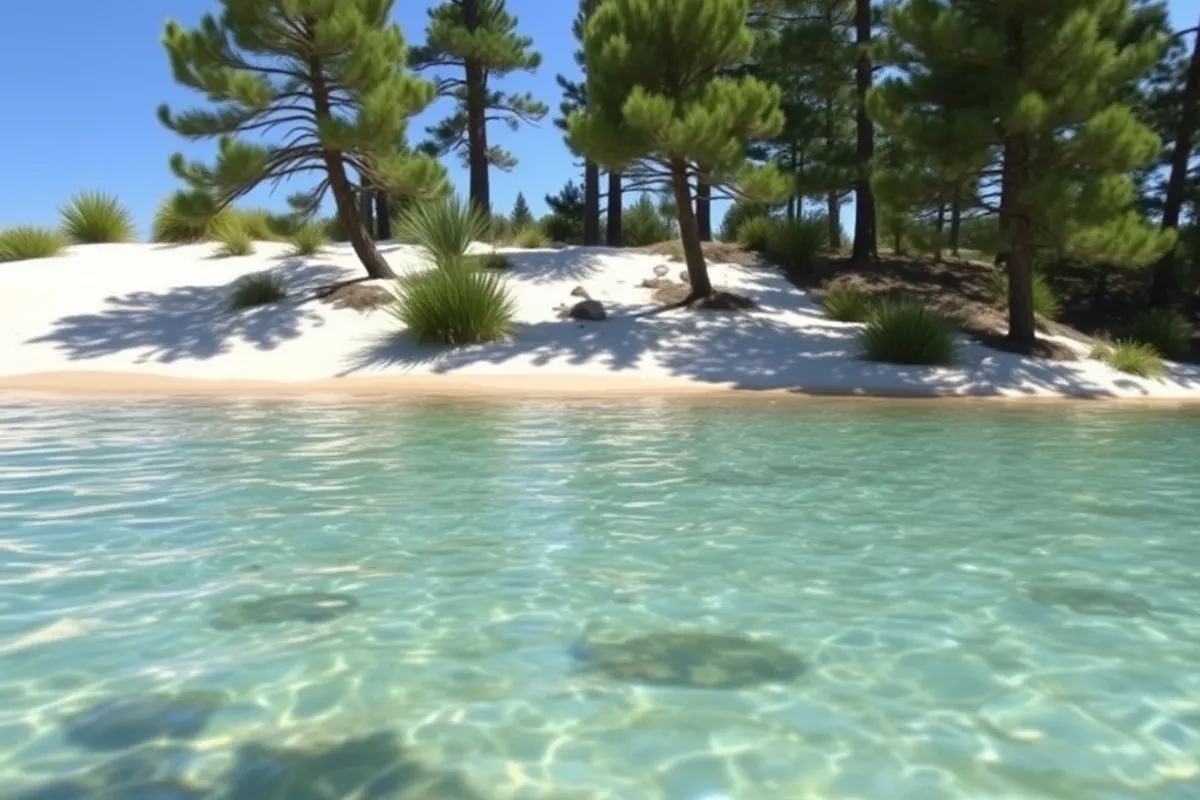
How to plan a quiet escape
Book a room for at least four nights. Coastal towns reward slow days, and the best moments — the morning catch, the evening passgiata — happen on the second or third day, once you stop being a visitor. Rent nothing, walk everywhere, and let the tide set your schedule.
Pack light and waterproof. In these towns the weather changes by the hour, and the best gear is a thin shell and good shoes rather than a heavy suitcase. Our travel gear essentials list covers exactly what earns its space.

Our verdict
The quiet coastal escape is not a secret destination; it is a decision to go when others stay home and to value the ordinary over the spectacular. Pick one town, stay four nights, and you will leave with the kind of rest that no resort can sell.