Budget Travel
How to Travel Europe on a $50 Budget: 2026 Playbook
Fifty dollars a day in Europe is still possible in 2026. We did it for three weeks and logged every euro, from beds to buses to the best cheap meals and snacks.

A $50 day in Europe sounds like a slogan from a decade ago. It is still doable in 2026 if you are willing to trade some comfort for time and choose your cities carefully. We spent three weeks testing the maths, and this is the playbook that actually held up.

The budget that actually works
Fifty dollars covers a dorm bed, three cheap meals, local transport and one small attraction — but only in the right cities. In Porto, Kraków or Sofia it is comfortable. In Paris or Amsterdam the same money buys a bed and little else. The trick is to weight your trip toward the cheaper south and east and save the expensive cities for short, deliberate visits.
We split the budget into four buckets: $18 for a bed, $15 for food, $8 for transport and $9 for everything else. Keeping those buckets separate stopped the small leaks — one expensive coffee or a taxi — from blowing the whole day.
On a tight budget, the enemy is never the big ticket. It is the four small unplanned purchases before noon.
Where to sleep cheaply
Hostel dorms remain the backbone of a $50 day, but the quality gap is wide. We paid between $14 and $26 for a clean dorm with a lockable locker and a real kitchen. Hostels with kitchens save more than they cost, because one cooked dinner can cut the day’s food bill in half.
Where possible we used night trains and overnight buses to combine transport and accommodation into a single charge. A $30 sleeper berth replaces both a night’s rent and a day’s travel, which is the single best lever on a small budget.
Eating well for less
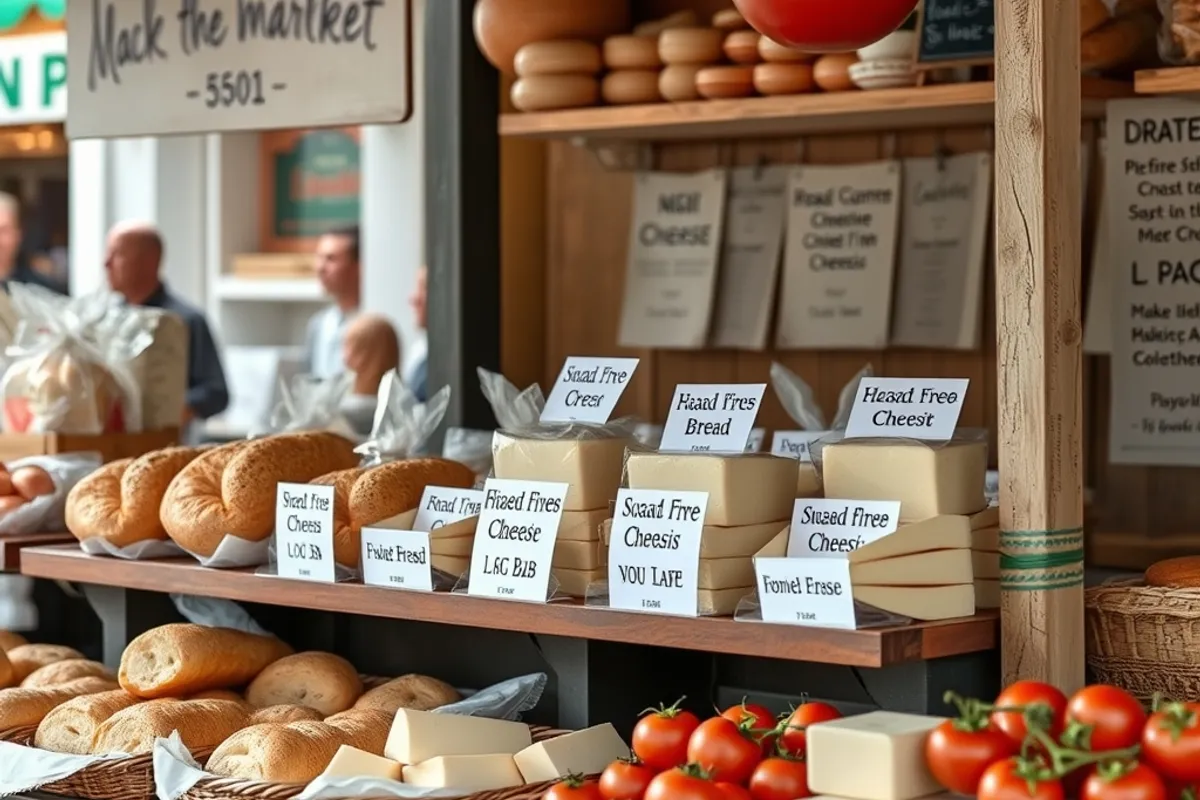
Restaurant dinners are the fastest way to break the budget, and also the easiest to fix. We ate a big market lunch — the daily menu, bread and a coffee — and cooked or picnicked in the evening. Supermarket bread, cheese, tomatoes and fruit made a satisfying dinner for a few dollars almost anywhere.
Look for the “Smenu del día” in Spain, the “Stagesmenü” in Germany and the fixed-price lunch everywhere else. The same kitchen that charges triple at night serves the identical food at noon for a third of the price.

Getting around for less
In cities, a weekly transit pass beat single tickets in every place we tested. Outside cities, buses were consistently cheaper than trains and often only an hour slower. Booking intercity trips a week ahead got us fares at half the walk-up price.
Walking is the real budget transport. We averaged twelve kilometres a day, which covered most sights and saved a surprising amount. When your legs need a rest, a single day pass is usually the cheapest deal.
Free things that are worth doing
Almost every European city has free walking tours, free museum days and free viewpoints. We planned around them: the first Sunday of the month for museums, the free city tour on arrival day to learn the layout, and the hill or tower instead of the paid observation deck. None of it felt like a compromise.
For a sense of how far these days can stretch, see our best destinations of 2026 and the underrated coastal towns guide, both built around low-cost travel.

Mistakes that break the budget
The biggest mistake is moving too often. Every transfer costs a fare and a day; stay three nights in one place and the daily average drops fast. The second is drinking in bars rather than buying a bottle at the shop, and the third is, quite simply, changing plans late — the cheapest fares and beds reward the organised.
It also helps to understand the currency maths before you go. A neutral primer on exchange rates such as the Wikipedia article on exchange rates makes it easier to judge whether a “Sdeal” really is one.
Our verdict
Fifty dollars a day in Europe is not about suffering. It is about choosing cheaper cities, sleeping smart, eating at noon and walking more than you ride. Follow the four buckets, stay put longer, and the budget takes care of itself.