
Budget Travel
How to Travel Europe on a $50 Budget: 2026 Playbook
Fifty dollars a day in Europe is still possible in 2026. We did it for three weeks and logged every euro, from beds to buses to the best cheap meals and snacks.
Budget travel is not about suffering. It is about spending money on the things you will remember and cutting the things you will not. A $4 street meal can beat a $40 restaurant; a night bus can replace a hotel and a flight at once.
This section is built on receipts, not slogans. We log every fare, bed and meal, then publish what the trip actually cost. Some of it is uncomfortable reading for the travel industry, which is exactly why it is useful.
We set a hard daily ceiling before each trip and track every purchase in a shared spreadsheet. When we break the budget, we say why. When a trick fails, we say that too. The result is a set of tactics that survived real use rather than a list of folklore.
We split spending into four buckets: a bed, food, local transport and everything else. Keeping those buckets separate stops small leaks from blowing the day. One expensive coffee or a taxi can undo an entire afternoon of careful choices.
Flexible dates beat every other flight trick, usually by 20 to 40 percent. Hostels with kitchens save more than they cost. Weekly transit passes beat single tickets in every city we tested. And night trains combine transport and accommodation into a single charge, which is the strongest lever on a small budget.
What does not work is mostly superstition: clearing cookies, booking at 3am, waiting for a sale that never comes. The reliable savings come from flexibility, planning and a willingness to walk.
Central and eastern Europe, the Atlantic coast of Portugal, and much of Southeast Asia still deliver extraordinary value. Western capitals and resort islands do not. The trick is to weight your trip toward the cheaper places and save the expensive ones for short, deliberate visits.
For a full breakdown, read our $50-a-day playbook and our tested cheap-flight tactics. Both are built from our own bookings, with the numbers left in.
Budget travel depends on knowing what a fair price looks like. Check the mid-market exchange rate before you leave, prefer local ATMs over airport currency desks, and always choose to be charged in the local currency rather than your home one.
A neutral explanation of how exchange rates and card fees work is on the Wikipedia article on exchange rates. It is dry reading, but it will save you real money on every card transaction.
Fifty dollars a day in Europe is still possible in 2026. We did it for three weeks and logged every euro, from beds to buses to the best cheap meals and snacks.
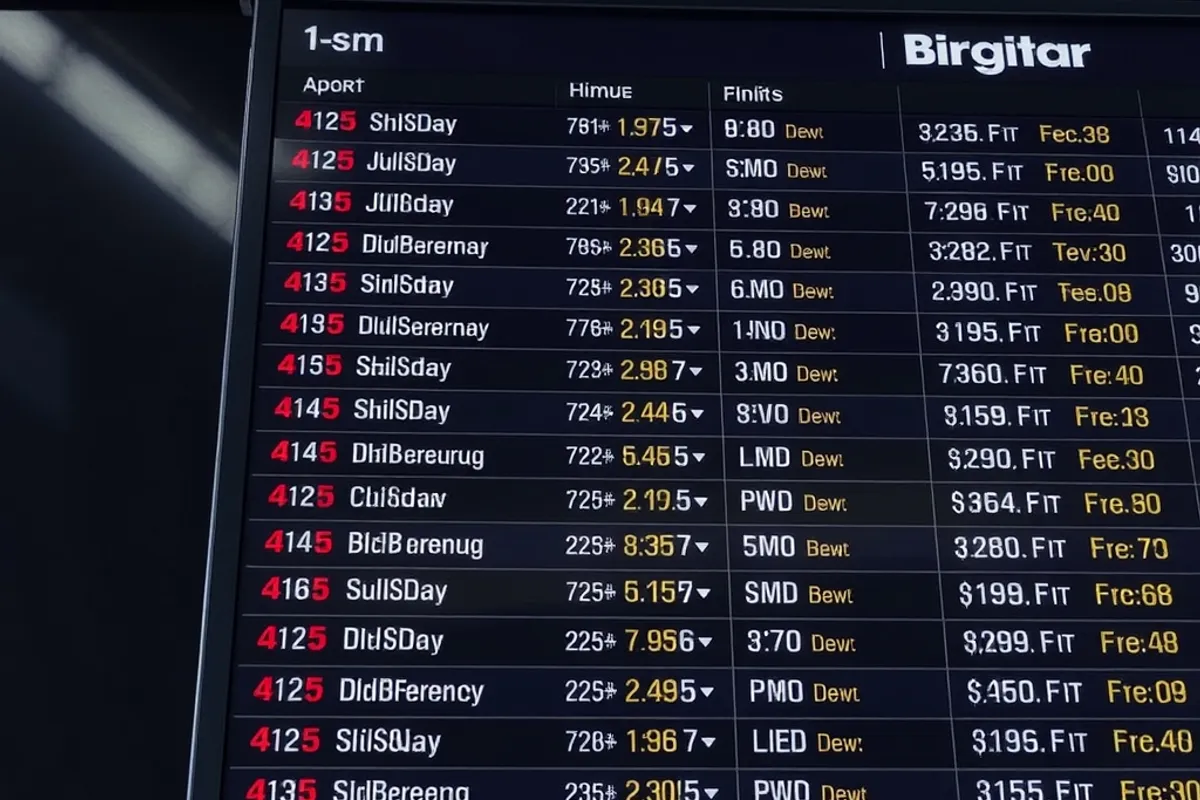
Cheap flights are not luck. We tested twelve fare tactics over 40 real bookings to see which save money and which are folklore. Here is what moved the price.