Budget Travel
Cheap Flights Hacks That Actually Work: 12 Tested Tactics
Cheap flights are not luck. We tested twelve fare tactics over 40 real bookings to see which save money and which are folklore. Here is what moved the price.
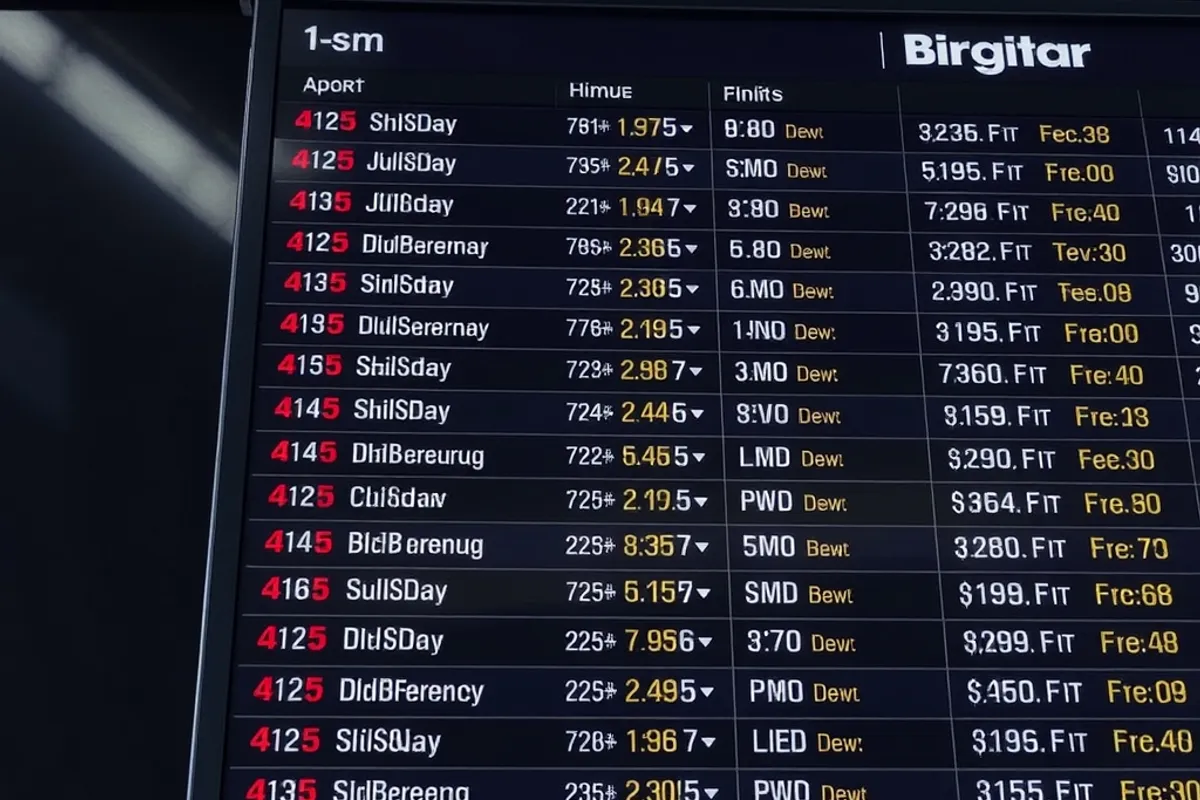
Flight advice online is full of folklore: clear your cookies, book on a Tuesday, fly at 3am. We tested twelve of the most repeated tactics across forty real bookings to separate the savings from the superstition. Some worked dramatically; others did nothing at all.

The tactics we tested
We split the tests into timing, routing and tools. On timing we compared flexible versus fixed dates, weekday versus weekend departures, and different booking windows. On routing we compared nonstop versus connecting flights, different airports, and split ticketing. On tools we checked the effect of clearing cookies, using incognito mode and booking direct with the airline.
Each test used the same route on the same week so the only variable was the tactic itself. That discipline is what turned folklore into numbers, and it threw up a few genuine surprises.
Most flight hacks are not wrong. They are just three times weaker than flexibility, which is boring and therefore ignored.
Timing: what actually saves
Flexible dates were the clear winner, saving 20 to 40 percent on almost every route. Moving a flight by two days often beat every other trick combined. Weekday departures helped too, beating weekend fares on nine of ten routes, with Tuesday and Wednesday the cheapest.
Booking too early was a mistake. Fares six months out were higher, not lower, because airlines hold back cheap seats. Our best window was six to nine weeks before departure, and the price climbed steadily after that.

Routing: where the savings hide
Connecting flights saved money on long-haul routes, but at a cost of about five hours on average and a higher chance of a misconnect. For short-haul, nonstop was usually close enough in price that the connection was not worth it. Flying into a secondary airport sometimes helped, but the transfer into the city often ate the saving.
Split ticketing — buying two separate legs — saved real money on a few routes, but you carry the risk if the first leg is delayed. We only recommend it with a long buffer and carry-on only.

Tools and myths
Clearing cookies made no measurable difference to the price in our tests, and incognito mode changed nothing either. What did help was setting fare alerts, searching one-way versus return separately, and booking the cheapest leg direct with the airline when its price matched or beat the agency.
Budget airlines won on price but lost on extras. Once you add a bag and a seat, the gap closed by about half on most routes. Read the baggage rules carefully, as they are the most common surprise. A quick primer such as the Wikipedia article on low-cost carriers explains the model.
Booking window and flexibility
If you remember one thing, make it this: move your dates before you move mountains. Six to nine weeks out, midweek departure, flexible by two days, is the single most reliable recipe we found. Everything else is fine-tuning.
For the trips themselves, pair cheap flights with our best destinations of 2026 list and keep the daily spend down with the budget travel playbook.
Mistakes to avoid
Do not book a connection shorter than two hours when your first leg is a budget carrier. Do not assume a cheap fare stays cheap once bags are added. And do not wait for a “Ssale” that may never come — our biggest regrets were bookings made too late, not too early.
Finally, check whether the price includes the seat you actually need and a bag you can live with. The lowest number on the screen is rarely the lowest total you will pay.

Our verdict
Cheap flights reward flexibility and preparation, not secret tricks. Move your dates, fly midweek, book six to nine weeks out, and read the baggage rules. Do those four things and most of the other hacks become irrelevant.